Cardinal Flower
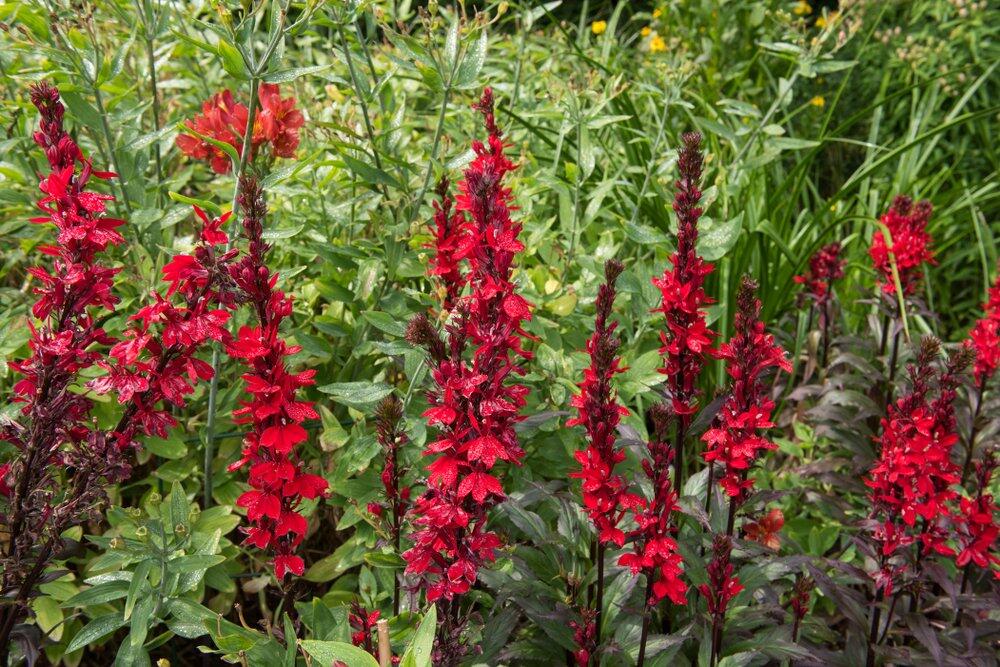
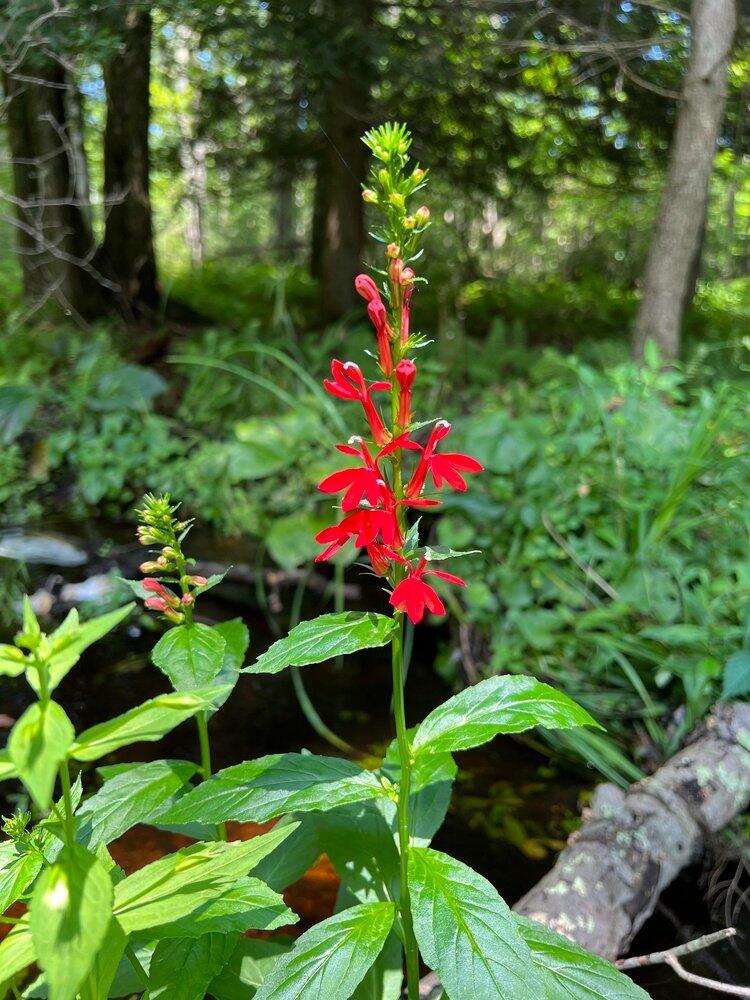
Cardinal Flower is a native North American native perennial known for its tall spikes of brilliant red blooms. It’s a favorite in pollinator gardens and naturalized landscapes across the United States, prized for its vibrant blood-red blooms.
Is Cardinal Flower a Perennial or an Annual?
Yes, it is a short-lived perennial, but it reseeds itself, so it often returns year after year, with mature, blooming plants. It is a pollinator favorite, especially for hummingbirds and butterflies.
Zones, Soil, and Uses of this Vibrant Perennial Wildflower
This native wildflower perennial thrives in USDA hardy planting zones 3-9. It's used in wet areas, often where little else will grow. It thrives in dappled sunlight and attracts so many hummingbirds, making it a major hit with homeowners wanting more than just beauty in their garden.
Mature Height, Soil Requirements & Bloom Season
At maturity, the cardinal flower reaches 2-4 feet, making it a highly prized plant for small area spaces. It also thrives in moist soils and does well in low areas or near tree edges, where the soil retains an alot of moisture. It blooms in mid to late Summer when most other perennials have stopped blooming for the year. This feature alone makes it a one-hit wonder for avid butterfly and hummingbird enthusiasts.
Deer Resistant & Perfect For Rain Gardens, Water's Edge, or Water Features
Being a plant deer doesn't usually bother, making it popular, versatile, and easy to grow without the fuss. It's perfect when planted alongside water features, fountains, or near the water's edge. And no matter where you plant it, even though it reseeds itself, you never have to worry about it becoming invasive.

Below is a picture of our cardinal flower we ship out. We remove the tops, and the plant makes new ones the following Spring

Customer Reviews
I received 4 cardinal cut plants in great condition! This was a replacement order from a previous order that wasn’t good plants upon arrival. *please note that isn’t a complaint! I’ve placed several orders & this was my first issue! All plants I’ve ordered are doing very well. Easy to work with if there’s an issue with orders; I sent pictures via email & received store credit. I did have to pay shipping again it is however fairly good prices so I didn’t mind that much. They have good sales often as well
I cannot wait till next summer to see these cardinal flowers brighten up my front yard. The plants arrived well packed and ready to plant.
Liked the information for plants, good for the nonprofessional gardener.
My Cardinal Flower is doing amazing. It arrived quickly, was packaged carefully, and is already attracting butterflies and hummingbirds.
The plants arrived healthy and strong. Within weeks, they were blooming beautifully. Couldn’t be happier with my purchase.
Do cardinal flowers like sun or shade?
Cardinal flowers grow best in full sun to partial shade. They thrive in moist soil and love spots near ponds or streams. With plenty of light and moisture, they bloom brightly all summer.
Will cardinal flowers spread?
Yes, cardinal flowers spread naturally over time. They reseed and form small colonies, creating vibrant clusters of red blooms. With moisture and sunlight, they expand beautifully each year.
Do cardinal flowers come back every year?
Yes, cardinal flowers come back every year. They are hardy perennials that return reliably with proper moisture and sunlight. Once established, they reseed and continue to brighten gardens season after season.
Exposure
Cardinal Flower Plant thrives in partial to full sun but also appreciates some shade, especially in hot climates. It prefers bright, indirect light to ensure vibrant blooms and robust growth.
Height at Maturity
Over 12"
Usage
Pollinator Plant
Shipped As
Bare-root
Ships
USPS
Planting Zones
3-9
How To Grow
How to Grow and Care for Bare Root Perennials, Tubers, and Bulbs
Bare root perennials, tubers, and bulbs are an easy and economical way to jumpstart your garden with lasting beauty. These dormant plants should be planted in early spring or fall while the soil is cool and workable. Before planting, soak bare roots in water for 1–2 hours to rehydrate them. Choose a location based on the plant’s light needs—most flowering types prefer full sun, while others thrive in partial shade.
For bare root perennials, dig a shallow hole and spread the roots out naturally, ensuring the crown is level with the soil surface. For tubers and bulbs, plant with the pointed side facing up at a depth about two to three times their height. Cover with soil, gently press down, and water thoroughly.
Keep soil consistently moist (not soggy) until new growth appears. Add mulch to retain moisture and suppress weeds, but avoid covering the crown or bulb tops. Once established, these plants require little maintenance—just seasonal watering, occasional dividing, and deadheading or pruning as needed. With proper care, they’ll return and thrive year after year.