Winterberry Holly Details
Winterberry Holly Has Vibrant Red Berries in Winter
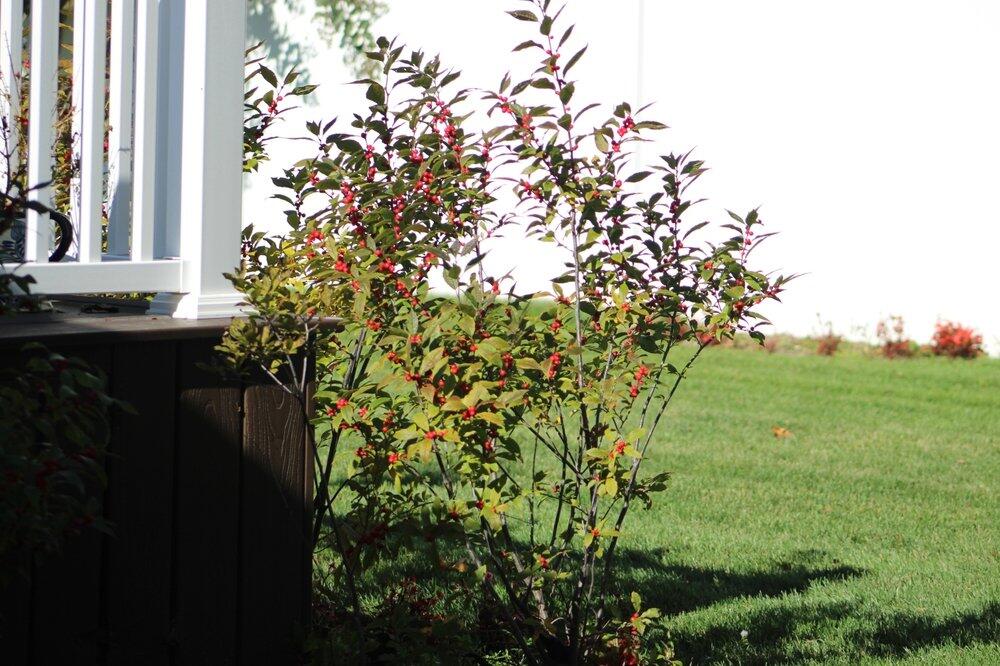
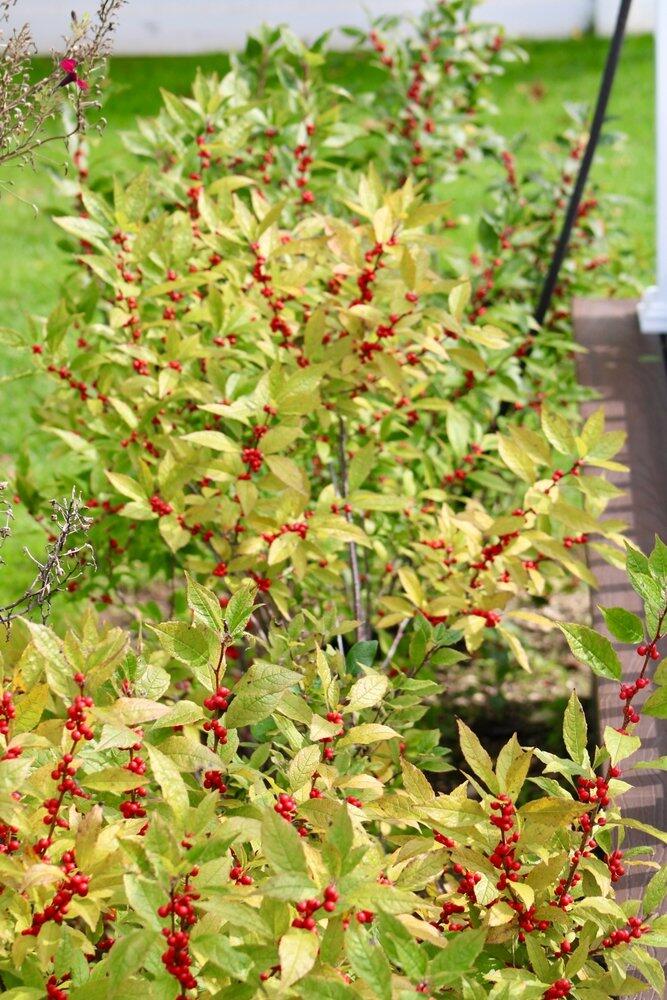
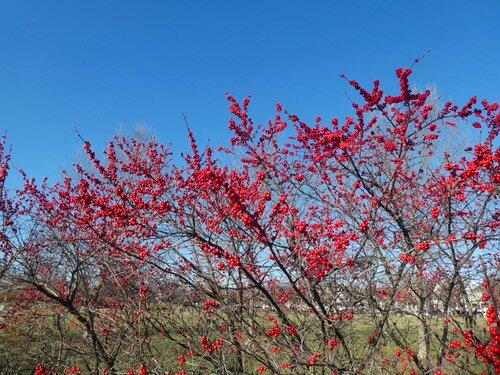
Winterberry Holly (Ilex verticillata) is a native deciduous holly shrub known for its bright red berries that persist through winter. Unlike evergreen hollies, it drops its leaves in fall, leaving stems covered in berries in the fall and winter for year-round beauty.
Berries on this decorated shrub form in late summer and turn bright red in fall. They usually last through winter unless birds eat them first. a perfect plant for bird atachers because they flock to it for food in the cold winter months. These highly decorative shrubs reach heights of nearly 10 feet and widths of 6 to 8 feet, making them easy to care for and unlikely to overgrow. They thrive in moist, slightly acidic soil and tolerate wet areas. It’s perfect for rain gardens or low spots.
This shrub is best pruned in late winter or early spring before new growth begins.
This sizing enables gardeners to establish a robust stand of hollies that will thrive and develop into attractive, wildlife-friendly shrubs. In spring, it produces small but nectar-rich flowers that support a variety of pollinators. While honeybees and bumblebees are frequent visitors, what makes this plant remarkable is its appeal to less common species.
The Henry's Elfin butterfly, a rarity in many gardens, uses hollies as a host plant. Their caterpillars feed on the leaves, while adults sip from the nectar. Several native solitary bees, often overlooked in discussions about pollinators, are also drawn to these flowers, helping to sustain their fragile populations. In addition, uncommon beetles and tiny beneficial wasps utilize hollies as a source of food and shelter, making the shrub an understated hub of biodiversity.
Winterberry Holly Is one of the most sought-after shrubs
Our Ilex Verticillata winterberry shrubs provide an easy and affordable way to plant Deciduous Hollies in groups, where their visual and ecological impact is most striking. By fall, clusters of red berries replace the blossoms, standing out against the bare branches and remaining through much of the winter. These berries are more than ornamental, they are a vital food source for birds such as cedar waxwings, robins, and thrushes when other resources are scarce. As a result, planting Deciduous Hollies supports bird populations during critical times of the year. Gardeners also appreciate the adaptability of Deciduous Holly.
Winterberry Holly Shrub Benefits for Wildlife and Rare Insects
When you add Winterberry Shrubs to your landscape, you aren't just planting a shrub, you're creating habitat. From rare butterflies to essential pollinators and hungry winter birds, this plant provides life-sustaining benefits that go far beyond its ornamental value. Planting it is a simple way to enjoy vibrant seasonal color while contributing to the health of your local ecosystem.