Liverwort Plant For Sale
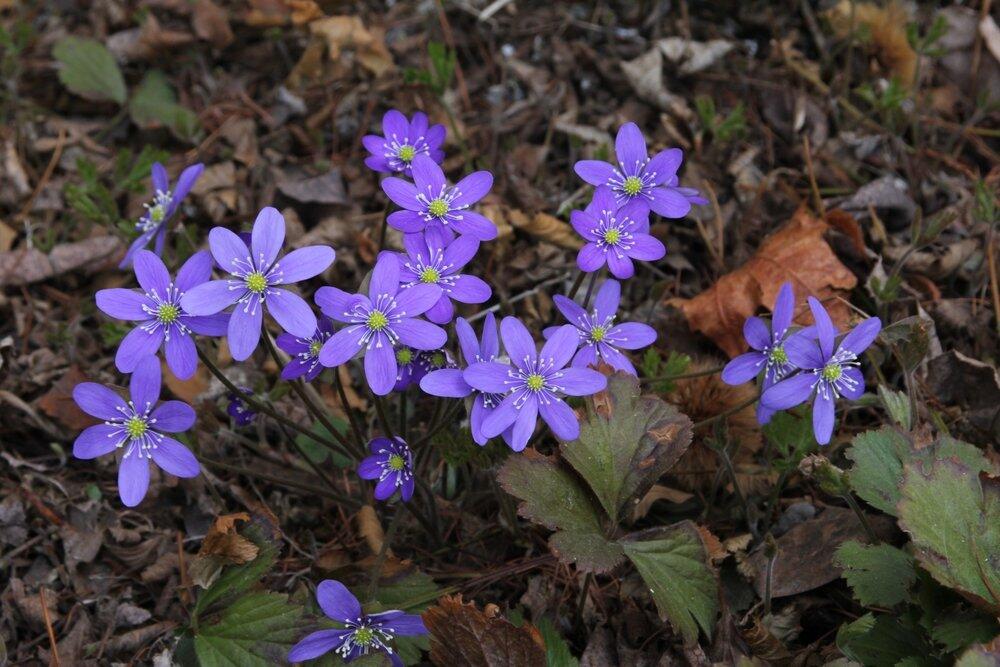
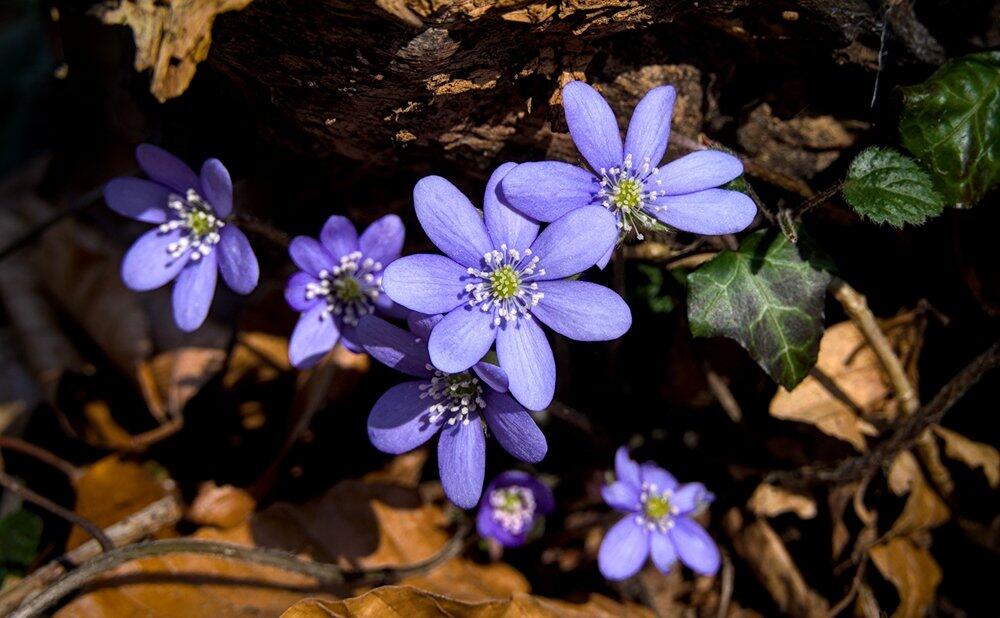
Liverwort plant, also called hepatica, is a uniquely pleasant native flower, perfect for woodland gardens. Dark‑green, tri‑lobed foliage—its namesake feature—makes the tiny purple blossoms stand out in shady nooks. This perennial is a woody native that is low-maintenance and disease and pest-resistant.
Hepatica Plant Details
Family: Buttercup (Ranunculaceae)
Light Requirement: Shade
Water Needs: Moist
Height: 6 in
Spread: 8 in
Growth Rate: Slow
Bloom Time: Spring
Flower Color: Purple
Wildlife Value: Attracts bees

Landscape Uses and Maintenance
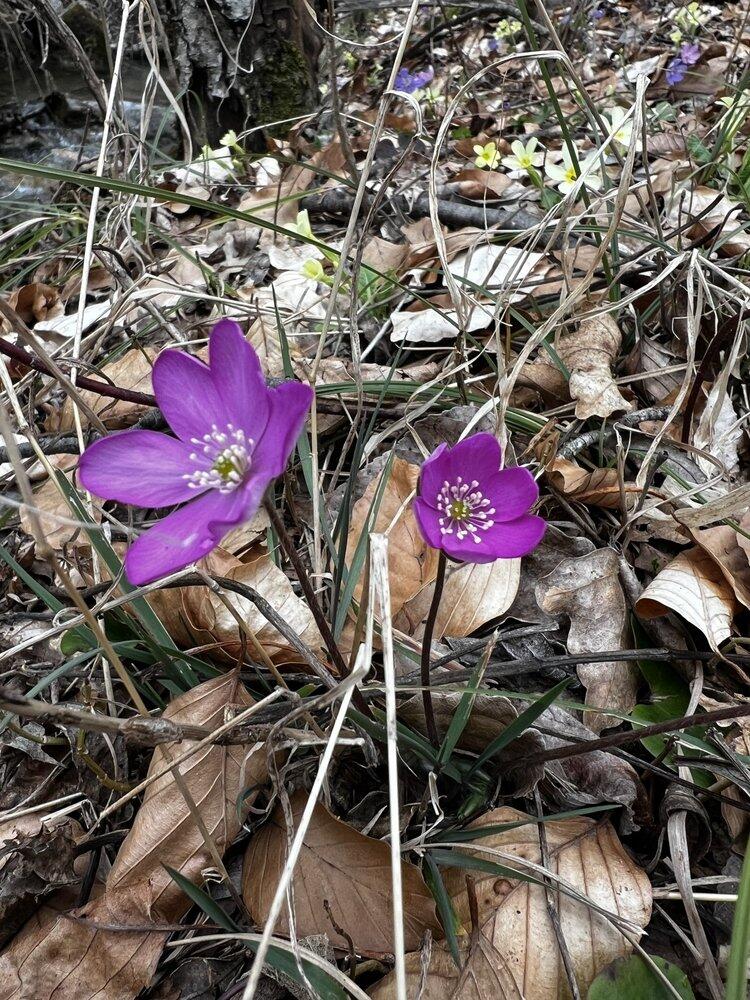
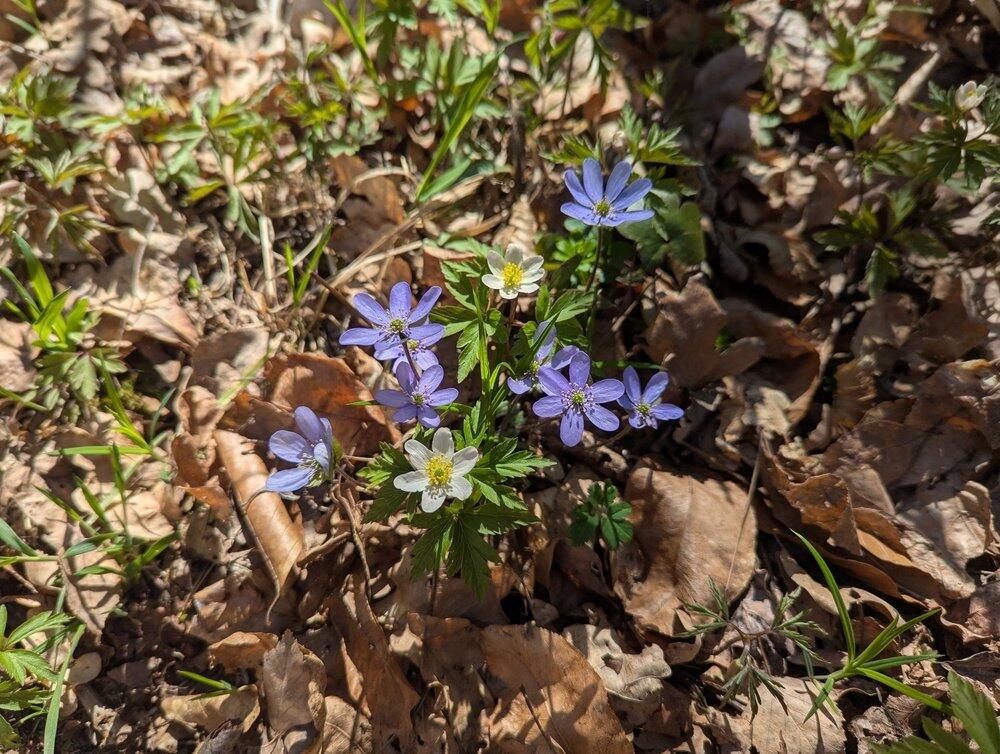
Hepatica adds soft, delicate charm year after year with star‑shaped flowers that range from white and purple to blue. A spring ephemeral, it delights gardeners of every experience level thanks to its low‑maintenance nature. Raise it up in rock or woodland gardens so the blooms are at eye level for full appreciation.
In the wild, Liverwort Plant grows in leaf‑litter pockets at the bases of forest boulders. Mimic those conditions by providing full to partial shade and well‑drained soil rich in organic matter—leaf mold, humus, or compost all work well. Water regularly during establishment, but avoid waterlogging; yellow leaves signal excess moisture.
Once settled, this plant requires very little care and is naturally avoided by deer, rabbits, and squirrels—perfect for critter‑prone gardens.
Noteworthy Traits of Hepatica
Hairy stems on the Liverwort plant support the delicate blossoms as they emerge, while butterflies, bees, and other pollinators eagerly visit. Hepatica’s resilient charm and woodland grace make it a must‑have for shaded gardens.

Customer Reviews
The Liverwort isn’t growing as quickly as I’d hoped. It’s alive and green but taking its sweet time to fill the space.
My Liverwort plant exceeded expectations. Arrived in perfect condition, took root quickly, and adds such a natural woodland feel.
I planted mine in a moist corner of the yard, and it’s thriving without much care. Gorgeous groundcover with rich green color.
The Liverwort plant arrived lush and green. It took right away in my shaded bed and is thriving beautifully. Highly recommend TN Nursery.
The Liverwort was packed well and looked fresh. It’s adapting fine in my garden. I might order more to create a fuller groundcover.
What makes the liverwort flower a good choice for shaded gardens?
The liverwort flower is perfect for shaded areas because it grows well in low light, needs little maintenance, and adds delicate beauty with its purple blooms.
Can Hepatica grow in a rock garden?
Yes! Hepatica grows well in rock or woodland gardens. Plant it in shaded spots with rich, organic soil, and the flowers will bloom beautifully in spring.
Is liverwort good for the garden?
Yes, liverwort is good for the garden. It creates a soft, green carpet that helps retain moisture and prevent soil erosion. This hardy plant thrives in shaded, damp areas, adding natural charm and texture to the landscape.
Exposure
Liverwort thrives in partial to full shade. It prefers indirect light, as it naturally grows under the forest canopy. Providing filtered sunlight or dappled shade helps maintain its vibrant foliage and ensures optimal growth and blooming.
Height at Maturity
Under 12"
Usage
Shade Plant
Shipped As
Bare-root
Ships
USPS
Planting Zones
3-9
How To Grow
How to Grow and Care for Bare Root Perennials, Tubers, and Bulbs
Bare root perennials, tubers, and bulbs are an easy and economical way to jumpstart your garden with lasting beauty. These dormant plants should be planted in early spring or fall while the soil is cool and workable. Before planting, soak bare roots in water for 1–2 hours to rehydrate them. Choose a location based on the plant’s light needs—most flowering types prefer full sun, while others thrive in partial shade.
For bare root perennials, dig a shallow hole and spread the roots out naturally, ensuring the crown is level with the soil surface. For tubers and bulbs, plant with the pointed side facing up at a depth about two to three times their height. Cover with soil, gently press down, and water thoroughly.
Keep soil consistently moist (not soggy) until new growth appears. Add mulch to retain moisture and suppress weeds, but avoid covering the crown or bulb tops. Once established, these plants require little maintenance—just seasonal watering, occasional dividing, and deadheading or pruning as needed. With proper care, they’ll return and thrive year after year.