John Ferguson
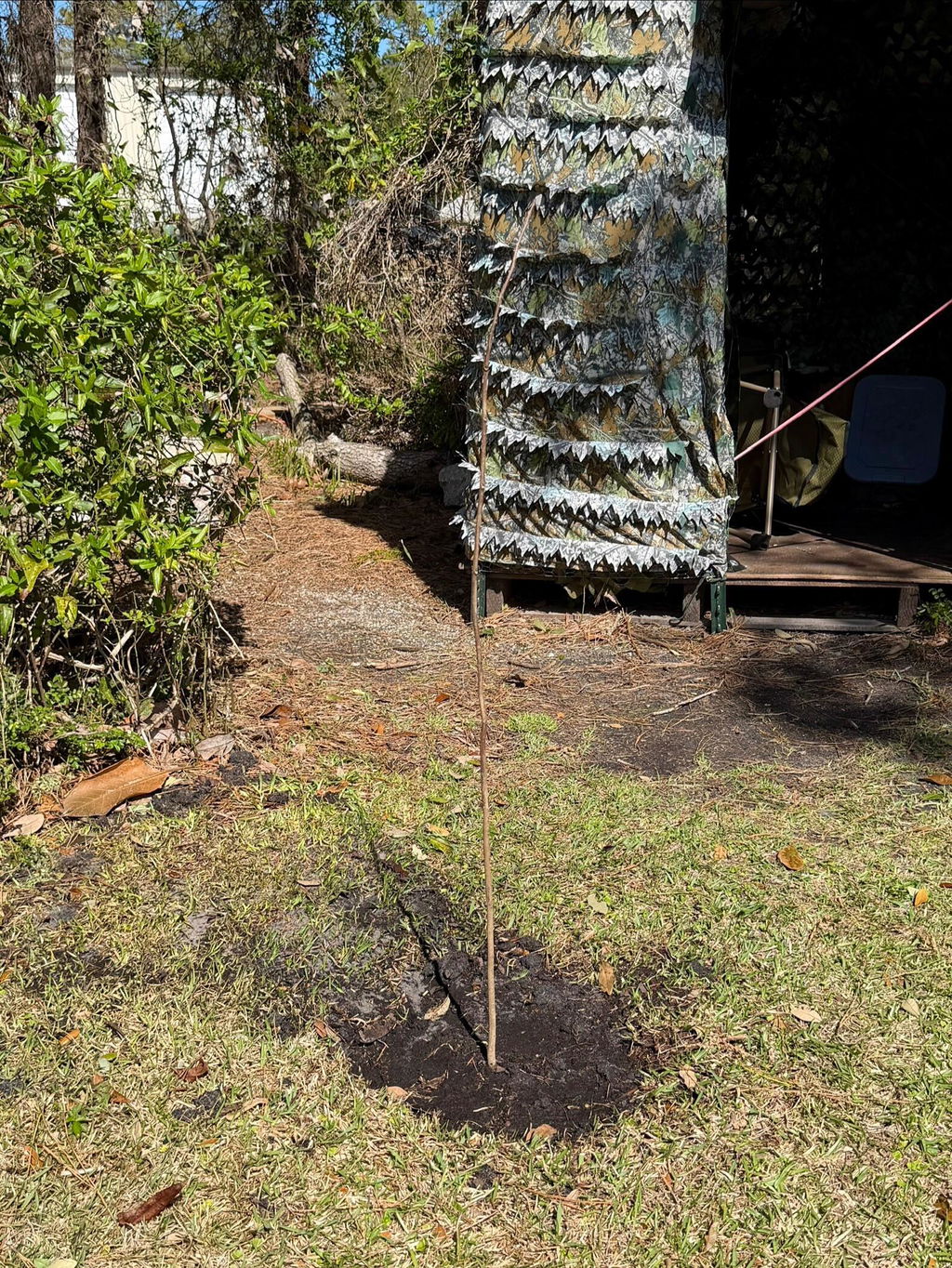
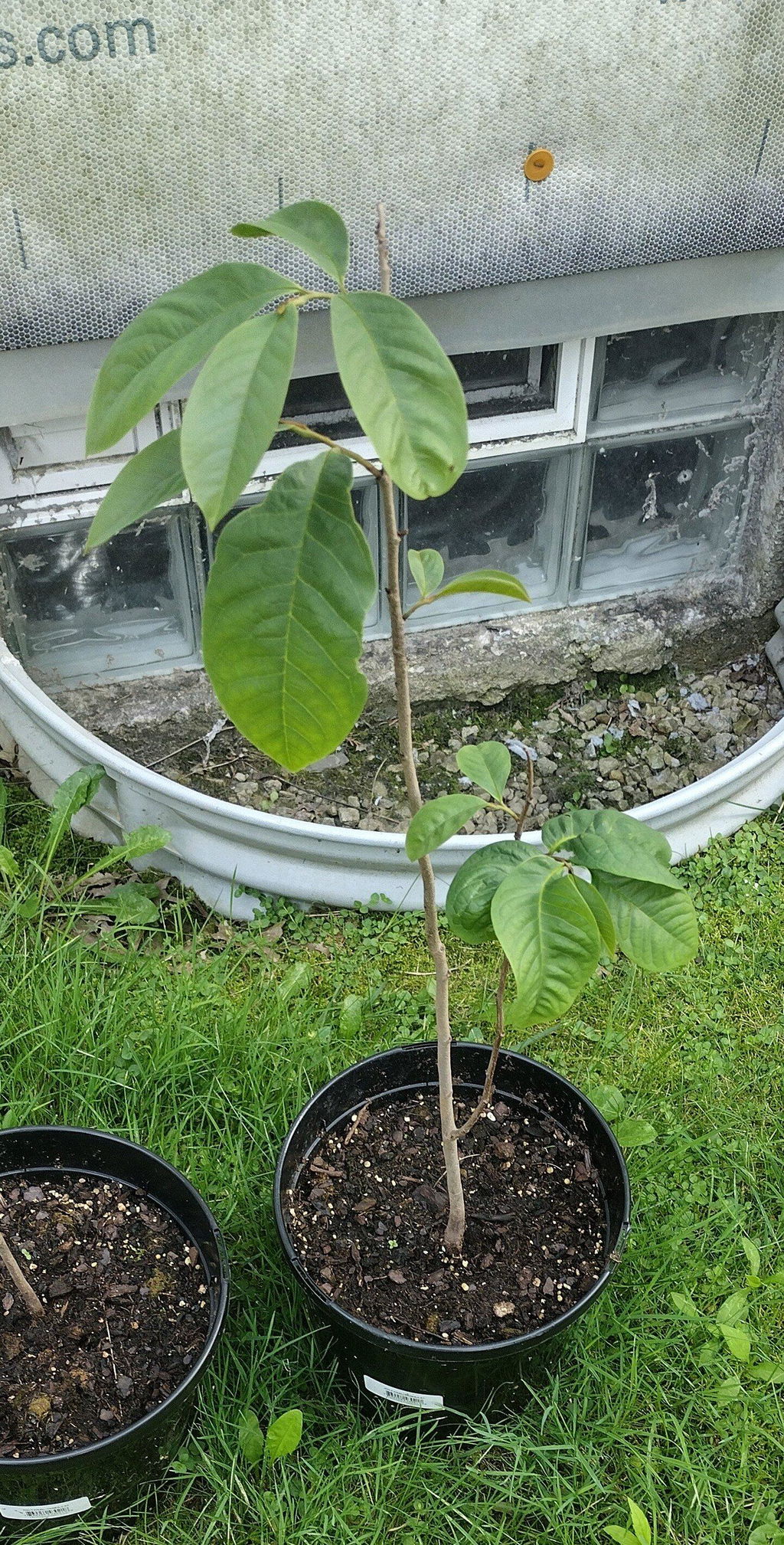
Just wanted to say thank you and my Paw Paws are thriving.

Pawpaw Tree
Ships Between November 15-29
5-8
15–30 feet tall, with a 15–20 foot spread
Low and Moderate
Full sun and Partial shade
April through May
Pawpaw trees thrive in rich, moist, well-drained soil. Water deeply during dry spells and mulch to hold moisture. Prune in late winter to shape the tree. Plant at least two trees for a full fruit crop.
Full sun to partial shade; light shade helps young trees
Native variety, naturally hardy , Classified as a superfruit, Attracts all types of pollinators
John Ferguson
Just wanted to say thank you and my Paw Paws are thriving.
Patricia Langston
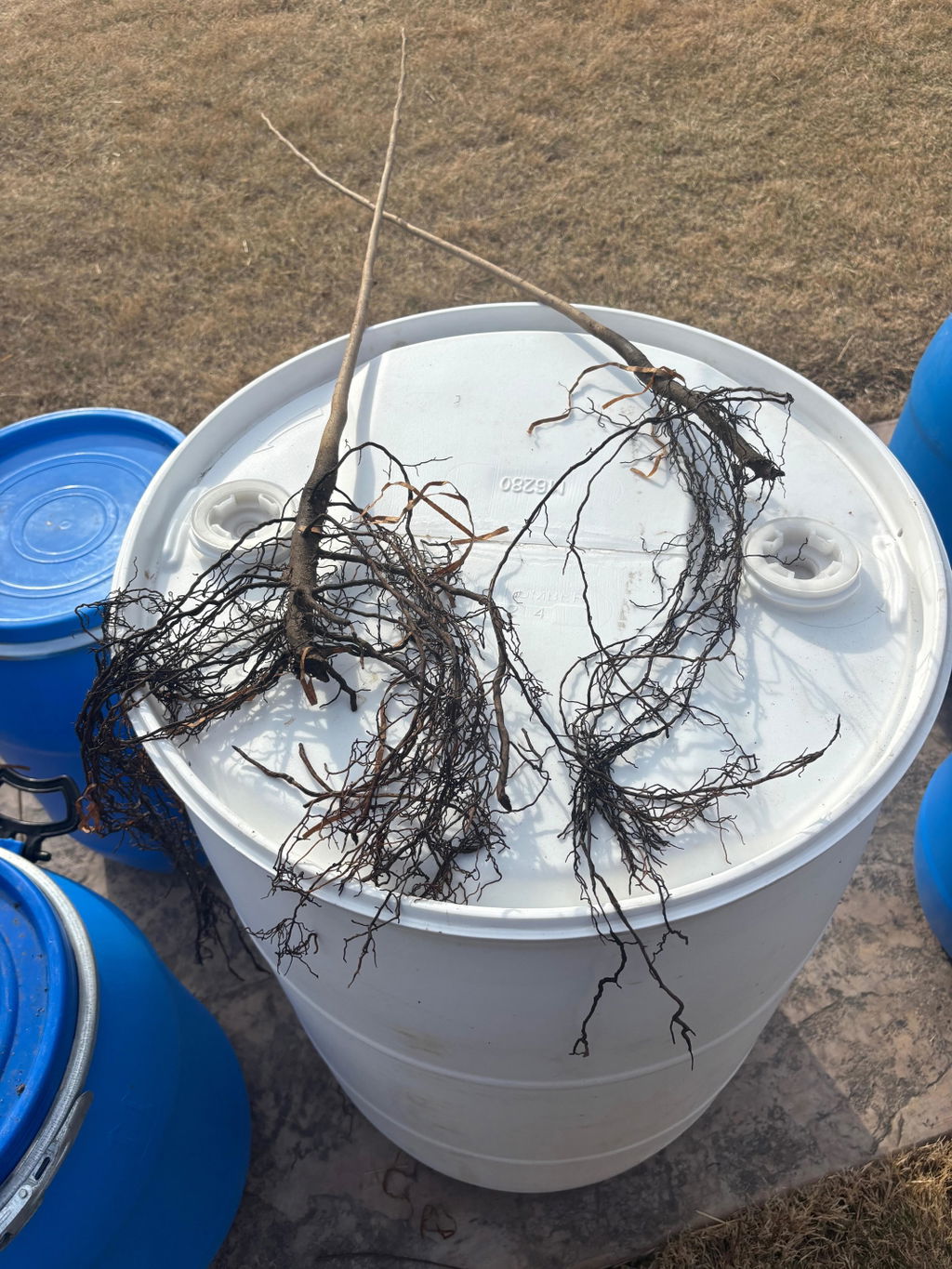
My pawpaw trees arrived in good shape. They looked very good, with good root systems. I was under the weather, so my brother-in-law set them out for me. They immediately leafed out and started growing. It looked like they were set too deep, so this winter, I will get some of the soil off while they are dormant. In my state, pawpaws only get 3-4 feet tall and the fruit is small ,so I am looking forward to some large fruit. Thank you.
Janice Bucy
Looks great. Very well packed.
About this plant
The pawpaw tree (Asimina triloba) is a native fruit tree that grows 15 to 30 feet tall and bears custard-textured fruit with a banana-mango flavor. Pawpaw trees are hardy in USDA zones 5–8 and grow in full sun to partial shade. TN Nursery ships bare-root pawpaw trees Buy 1 Get 1 Free, the two trees needed for fruit.
Pawpaw is the northernmost member of the custard apple family, Annonaceae, and the largest edible fruit native to North America. Gardeners also call the pawpaw tree paw paw, common pawpaw, American pawpaw, Indiana banana and Hoosier banana. Wild pawpaw groves grow along rivers and forest edges from the Great Lakes south to the Gulf states, and Thomas Jefferson grew pawpaw at Monticello. Because the soft fruit is rarely sold in stores, planting a pawpaw fruit tree is the most reliable way to enjoy a fresh harvest.
A pawpaw tree is a small, native, deciduous fruit tree of the eastern United States that produces the largest edible fruit native to North America. A mature pawpaw tree grows 15 to 30 feet tall with a pyramid-shaped to rounded crown.
Pawpaw fruit tastes like a blend of banana, mango and melon, with smooth, custard-like flesh and large brown seeds. Each fruit weighs 5 to 16 ounces, and the fruits hang in clusters of two to nine.
Yes. Pawpaw trees need cross-pollination from a second, genetically different pawpaw tree to set fruit, so plant at least two pawpaw trees within 30 feet of each other. The TN Nursery Buy 1 Get 1 Free offer ships two pawpaw trees, which gives a home orchard its pollination partner from the start.
Pawpaw flowers are pollinated by flies and beetles rather than honeybees. Planting three or more pawpaw trees in a small grove raises pollination and fruit set. The Buy 3 Get 2 Free pack (5 trees) and the 25-tree wholesale pack suit a backyard grove or an orchard row.
Pawpaw trees grow best in USDA hardiness zones 5 through 8, in moist, fertile, well-drained, slightly acidic soil. Pawpaw trees grow in full sun to partial shade; full sun gives the heaviest fruit crop on established trees.
In the wild, young pawpaw trees grow as understory trees beneath taller hardwoods, so a little afternoon shade during the first one to two summers helps young trees settle in.
Pawpaw trees grow at a moderate rate of about 1 to 2 feet per year once established. Bare-root pawpaw trees typically begin fruiting 4 to 7 years after planting, and larger trees reach fruiting age sooner.
| Stage | Typical height | What to expect |
|---|---|---|
| Planting (bare root) | 1–5 feet | Roots settle in; leaves open in late spring |
| Years 2–3 | 4–8 feet | Strong new growth each season |
| Years 4–7 | 8–12 feet | First maroon flowers and first fruit |
| Mature tree | 15–30 feet | Full crops of fruit each August–October |
Other native fruit trees and shrubs grow well with pawpaw trees in an edible landscape. An American persimmon tree ripens sweet fruit in fall right after the pawpaw harvest, and an elderberry adds summer berries at the grove edge. A mulberry tree fruits in early summer, so the three together give a long season of harvests. For reforestation, wildlife plantings or a large orchard, our pawpaw tree seedlings offer the same species in bulk. A redbud tree blooms pink beside the maroon pawpaw flowers in April. Browse more home orchard options in our fruit trees collection.
Plant a bare-root pawpaw tree while it is dormant, from November through April, in a hole twice as wide as the roots and just as deep. Set the root collar at soil level and space pawpaw trees 8 to 15 feet apart.
At our Altamont, Tennessee nursery, we grow pawpaw trees in the field, dig them while dormant and ship them bare root, with no soil around the roots. Each tree arrives as a leafless, dormant young pawpaw with its roots packed in moist material.
Botanical Name: Asimina triloba
Plant Family: Annonaceae (custard apple family)
Ships: Bare root, 1–2 ft, 2–3 ft, 3–4 ft or 4–5 ft
Planting Zone: 5–8
Height at Maturity: 15–30 feet tall, with a 15–20 foot spread
Spacing: 8–15 feet apart; plant at least 2 trees for fruit
Sun or Shade: Full sun to partial shade; light shade helps young trees
Water Needs: Moderate to regular; keep soil evenly moist
Soil: Moist, fertile, well-drained, slightly acidic soil
Bloom Season: April–May
Flower Color: Deep maroon
Fruit Season: August–October
Native Range: Eastern United States, from the Great Lakes to the Gulf states
Care: Water deeply during dry spells, mulch each spring and prune in late winter to shape the tree.
Plant Attributes: Native, edible fruit, butterfly host plant, shade tolerant when young, golden fall color
Pawpaw trees grow 15 to 30 feet tall with a 15- to 20-foot spread, which makes the pawpaw a good size for home yards.
Pawpaw trees grow in USDA hardiness zones 5 through 8.
Pawpaw fruit ripens from August to October, and bare-root pawpaw trees usually begin fruiting 4 to 7 years after planting.
Pawpaw fruit tastes like a mix of banana, mango and melon, with soft, custard-like yellow flesh.
Yes. Pawpaw trees grow in partial shade, and young pawpaw trees benefit from light shade, while full sun gives mature trees the largest fruit crops.
The zebra swallowtail butterfly lays its eggs on pawpaw trees, and zebra swallowtail caterpillars feed on pawpaw leaves.
TN Nursery has grown hardy native plants since 1959, more than 65 years of experience, and has supplied plants to major U.S. landmarks like the Washington Monument and Arlington National Cemetery. At our Altamont, Tennessee nursery, we grow pawpaw trees in our own fields and ship them bare root during the dormant season, so each tree arrives ready to plant. Want to learn more first? Read The Ultimate Guide to Soil Preparation for Pawpaw Trees, Easy Fruit Trees to Have in the Garden and the Bare Root Planting Guide for Trees and Shrubs on our garden blog, or browse our native trees.

Since 1959, TN Nursery has grown and shipped quality bare root plants nationwide. Shipped during dormancy, bare-root plants develop strong root systems and establish quickly. Our experienced team carefully harvests and packages every order, providing growers with trusted plants backed by over 65 years of nursery experience.
Learn More About
Bare root trees
Delicious Native Fruit:
The pawpaw tree bears 3- to 6-inch fruits with custard-like flesh and a banana-mango flavor, ripening from August to October.
Nutrient-Rich Fruit:
Pawpaw fruits are rich in vitamins and antioxidants, offering a healthy addition to your diet.
Lush Foliage:
Its large, tropical-looking leaves add an exotic touch to any landscape.
Native Plant:
As a North American native, the Pawpaw Tree supports local wildlife and promotes ecological balance.
Fall Digging
Spring Digging
Packing Orders
Customer Unboxing Video
Product Highlight
The trees came exactly as described. They were gently packed and arrived quickly and safely, and I got them planted into the ground same day. Now I wait for leaves to appear. I’m really liking TN nursery!
I bought two of the 3 to 4 foot tall bare root paws from you guys and I bought one from Ty Ty Nursery also 3 to 4 foot so that I would have a genetic diversity. You two were magnificent. The other one from the other company sucked. I will continue to buy from you guys. Thank you.
Not kidding. 6 trees were planted. And it took 2 months for #6 tree to bud. I didn't think they weren't going to grow.
I’ve been searching for native Pawpaw trees and was able to get live healthy trees from TN nursery along with their companion ginger plant. The trees arrived healthy with root wrapping. To my surprise, I was sent 2 additional paw paws and was able to gift 2 to a friend. They are inground now and I hope to have some buds before the summer starts.
I ordered 2 pawpaw 2-3ft trees, planted them within 2 days of receiving and now within 3 weeks they have started to leaf out. Great purchase, couldn’t be happier with the trees.
I ordered a boho of foot tall pawpaws last year. Was so pleasantly surprised when three arrived. Planted them all and they were doing well until my children snapped the tops off of two of them. I knew I’d use TN Nursery to replace them this year and I did. Ordered a bogo of 2-3ft tall pawpaws and received 3 again! Always a pleasant surprise. They’re also the same height as the one that survived last year and look great so far. I’m excited to see them progress and continue to use TN Nursery
I am old and am trying to get native but absent fruits and berries growing in my yard before I die. I had no luck with paw paws from seed . Thanks to the good folks at The Tennessee Nursery, I have some saplings going now. I may not be around for the harvest, but I’m happy to have gotten them started.
Tree came quickly and was healthy and ready to plant.
My Pawpaw trees from TN Nursery arrived in perfect condition. The trees were fresh, well-hydrated, and packaged with care. After planting them, they quickly adjusted and are now producing healthy leaves. I’m excited for the delicious fruit they will bear in the coming years. TN Nursery is definitely the best place to buy Pawpaw trees online.
The Pawpaw trees I received from TN Nursery exceeded my expectations. They were well-packed, had strong roots, and showed no signs of stress. Within weeks of planting, I noticed vigorous growth. These native fruit trees are perfect for creating a sustainable, edible garden. I highly recommend TN Nursery for anyone wanting high-quality Pawpaw trees.
I purchased Pawpaw trees from TN Nursery, and the entire experience was smooth. The trees arrived with healthy root systems and no damage from shipping. They established quickly in my garden and are already thriving. I love that TN Nursery offers these hard-to-find native fruit trees at such reasonable prices. I will definitely order again.
After researching several online nurseries, I chose TN Nursery for my Pawpaw trees, and I couldn’t be happier. The trees were shipped quickly, arrived healthy, and adjusted perfectly to my soil. They’re already producing new growth and look strong. I appreciate TN Nursery’s excellent customer service and their commitment to providing top-quality native plants.
I’m thrilled with the Pawpaw trees I purchased from TN Nursery. They arrived well-packaged, fresh, and ready to plant. The trees are already thriving in my backyard orchard, and I can’t wait to harvest their unique custard-like fruit in the future. TN Nursery provided clear planting instructions, which made the process easy and stress-free.
My Pawpaw trees from TN Nursery were delivered fast and carefully packed. The root systems were moist and healthy, making transplanting very easy. Within weeks, I noticed new growth. These trees are perfect for my edible landscape, and I appreciate that they are native fruit trees that attract pollinators. TN Nursery consistently delivers great plants at affordable prices.
I ordered two Pawpaw trees from TN Nursery, and they arrived in outstanding condition. The roots were strong, the packaging was secure, and the trees showed no signs of stress. After planting them in my orchard, they quickly established and started growing healthy green leaves. I’m excited for the delicious pawpaw fruit in the coming years. TN Nursery is truly a reliable source for native fruit trees.
Wow So Beautiful Love This
Response times are fast for communication. Even when order was delayed they kept in contact and offered options. Even got an extra sucker root. Saplings took to ground excellently are happy and springy!
I bought 6 pawpaws and 3 of them **** by the end of fall. I contacted customer service, filled out a form with pictures, and they promptly gave me a gift card for the amount of th e trees. Will definitely buy more trees in the spring!
Just wanted to say thank you and my Paw Paws are thriving.
My pawpaw trees arrived in good shape. They looked very good, with good root systems. I was under the weather, so my brother-in-law set them out for me. They immediately leafed out and started growing. It looked like they were set too deep, so this winter, I will get some of the soil off while they are dormant. In my state, pawpaws only get 3-4 feet tall and the fruit is small ,so I am looking forward to some large fruit. Thank you.
We are getting new leaf growth now. Can’t wait to taste the fruit. !!!
Looks great. Very well packed.
I don't know how they will do yet Hoping they BLOOM. Stay tuned!
Dan Sweeney
Mahwah NJ
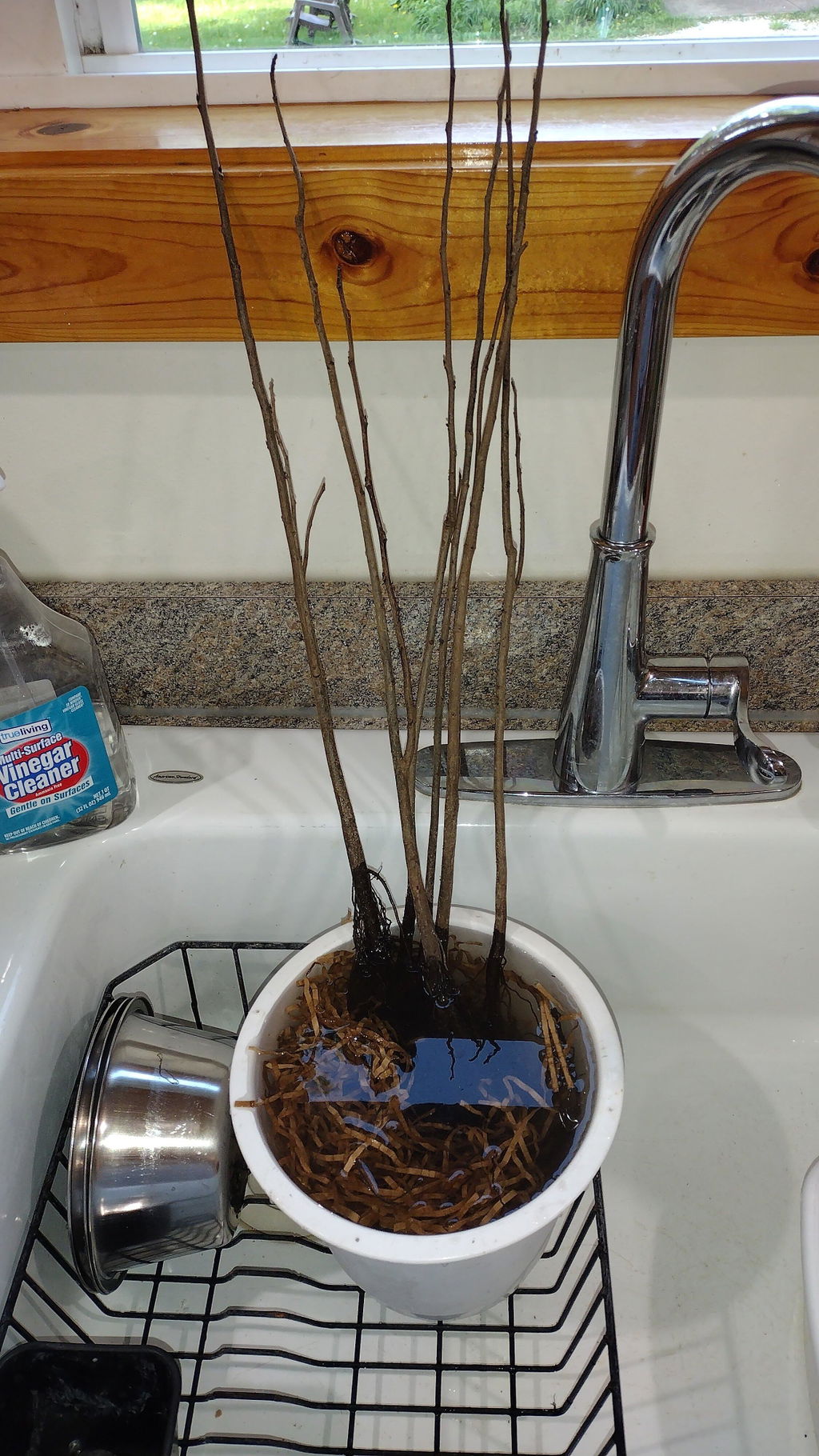
Arrived asleep but with good wet roots. Packaged well. Thank you TNN team!
They look good.
The bare-root pawpaw trees I ordered (two, plus a third free) arrived on time, as described, and in good shape. I planted them 24 hours later. So far no leaf buds but it's only been a few days.
UPS delivery on time. Florida heat kept them warm but the roots were moist! Hoping they do great in NC in the mountains.
I would like to see how well they come out and start to show new growth before I do a review like this. Just looking at sticks for now.
Packed nicely and a good price
Our trees came very nicely packaged, and have been planted. Time will tell if they grow, but it would be great if they do.
My trees arrived in record time, and I'm excited to watch them grow. I'm new to The South, so this is exciting for me. Thank you so much!