
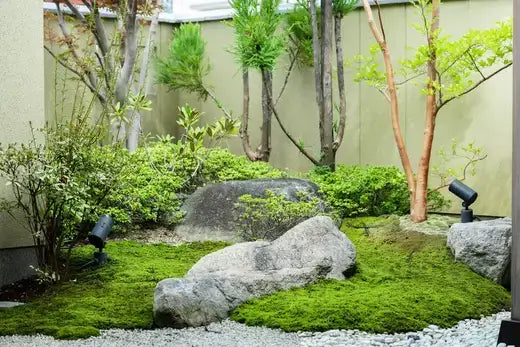
Exploring Moss as a Sustainable Grass Alternative
The search for grass alternatives has resulted in some exciting discoveries being made in the field of lawn and landscaping․ One of these is moss‚ a unique and engaging alternative to the customary grass lawn that is enjoying a rise in popularity among environmentally conscious homeowners․ Grass has always been the lawn of choice‚ but moss is now an environmentally helpful alternative․ The green and very beautiful carpet of moss has the potential to be one of the serious tools of sustainable landscaping․ This moss is just as resilient and adaptable as any plant in the world‚ and it's a terrific alternative to the bland green of the turfgrass lawns we all know․ As our climate changes and water becomes scarcer‚ the use of moss becomes an attractive option for all of our yards․
The most commonly cited reason for using moss to landscape is that they can be grown in areas where grass may not grow․ Moss is well suited to grow in shaded areas around trees‚ homes‚ and buildings․ Also‚ it can grow in a number of different types of substrate such as rocks and tree trunks‚ which are unsuitable for grass because they require a lot of sun and regular cuts․ Moss can also act as an important addition to areas where plants would not otherwise grow․ Finally‚ as moss does not require fertilization‚ living walls made from it are less expensive to maintain and less prone to adding to the pollution of waterways via chemical runoff․ In a world that is stressing sustainable practices‚ moss is a perfect solution․
Moss Lawns Are Low Maintenance
Moss lawns have the advantages over a customary grass lawn of requiring little or no mowing and maintenance and of being less out of place when compared to a customary green grass lawn․ Mosses don't require watering‚ mowing‚ or fertilization․ Because mosses grow in a more natural way‚ the textures of mosses can offer a comfortable surface for bare feet to walk on․ Many varieties of moss are evergreen and remain lush and green year-round․ Mosses add beauty to many types of gardens and can even replace a customary grass lawn‚ and provide a breath of fresh air to the customary conception of how a yard should look․
The benefits of moss as an alternative to grass include reduced maintenance‚ although moss lawns do require maintenance and special care is needed for a moss lawn to be successful․ First‚ it is a shade and moisture loving plant and you will need to supply the required shade and moisture to your new moss in your garden (watering in dry spells)․ Second‚ moss can take some foot traffic‚ as opposed to grass‚ if it is well established but the delicate moss structures can be damaged by foot traffic in the area where the moss is growing․ With a little tender loving care‚ moss can be a hardy and attractive addition to your home․
A moss lawn is often considered to be more attractive than grass․ The numerous different textures and shades of green found within mosses will create a refreshing lawn that resembles a soft‚ heathy forest floor‚ and moss is often a good choice․ Moss can be wonderfully simple in its beauty․ When used as a botanical ornament in gardens‚ it can achieve a sense of calmness and serenity‚ a welcome change from the pace of modern life․ In the glitter of dew‚ on the soft soil‚ when the sun breaks through the clouds and spreads on the soft soil‚ or on a misty morning‚ moss makes even the most commonplace yards beautiful tracks‚ waiting to be admired․
Moss Is A Symbol Of Environmental Conservation
Moss also contributes toward the reduction of water consumption in some parts of the world where water is a precious resource․ It conserves water by not needing to be watered as frequently as grass in most home gardens․ Moss is able to absorb and soak rain‚ creating a slower‚ less intense‚ and generally less damaging reaction to flooding and run-off․ Moss tends to be more helpful for soil and plants․ Moss is more sustainable than some modern landscaping alternative since it uses less water‚ lowering the demand for local water supplies‚ and reducing drought conditions in some areas․ This has led to moss being a symbol of environmental conservation‚ ecology‚ and responsible resource use․
In summary‚ the considerations above make moss a prime candidate for a grass replacement in modern landscape designs․ Their unique properties provide an opportunity for beautiful‚ sustainable environments that resonate with the natural world and the expectations of future eco-conscious societies․ The low-maintenance nature of moss‚ its aesthetic appeal‚ its ability to adapt to different environments‚ and its water-saving capabilities make it an innovative alternative to customary landscape design approaches․ As we face both climate change and scarcity‚ moss offers a challenge not just to our notion of what a landscape is‚ but how we can imagine a future landscape that makes sense‚ both aesthetically and ecologically‚ for generations: to trade our grass for moss could mean not only changing our conception of a lawn‚ but our concept of life․


