
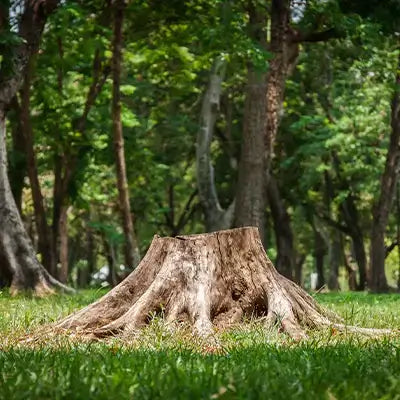
Tree Stumps and Driftwood: Turning Natural Leftovers Into Garden Features
Tree stumps and driftwood are not yard waste‚ and they are free: most people pay good money for them to landscape their yards․ A weathered tree stump can be used as a rustic planter‚ a stepping stone or a focal point in a woodland garden․ Driftwood can be used inside and outside the home in the same manner‚ adding texture and a history that no other material can․
A stump can be leftover material after cutting down a tree for a woodworking project‚ or it may be similar to a piece of driftwood picked up from the edge of a lake or creek․ Here are the basics․
Stump to Planter: An Easy Transformation
You can cut 2 to 3 inches off the top using a chainsaw‚ or a large spade bit on a drill․ If your wood was not in its punky or rotted state‚ drill a few holes on the base of the stump․ An unsealed stump will rot very quickly in the water‚ and may drown the plants placed inside it․ Line the inside of the cavity with a piece of landscape cloth or plastic with holes in it for drainage and fill with good quality potting soil․
Pine‚ poplar or cottonwood are less dense woods which are easier to hollow out but rot or wear out in 3 to 5 seasons as the wood becomes saturated with water․ Oak or hickory are more difficult to hollow but applied widely because they last a decade or more if the stump is cured․
Perennials at a shallow depth‚ such as sedum‚ creeping phlox‚ coral bells‚ and miniature hosta‚ are recommended for planting in stump planters in Tennessee's Zone 6b-7b climate․ Ferns also thrive‚ especially if the stump is shaded by the crown of another tree above it․ Ornamental grasses and shorter cultivars of TN Nursery's perennial selection or local perennial nursery stock sometimes do well above the stump‚ as their root systems are too shallow to interfere with the stump‚ and most cultivars have been bred for shallow roots more condusive to growth in containers․
One thing I don't hear mentioned enough: a stump planter in full Tennessee summer sun dries out really fast․ Wood draws moisture away from soil‚ and you'll find yourself watering more often than you would in a ground-level bed․ For example‚ a small stump can be done every other day for two months (July and August)
Stump Art and Slab Projects
For woodworkers and sculptors the stump is the mother of all blank canvases․ Chainsaw carving will take you the farthest with large‚ bold sculptures of mushrooms‚ animals and abstract creations‚ but you don't have to leave the shop to make something interesting․ Usually‚ these effects can be accentuated with the use of paint and stain‚ and often are revealed with just a wire brush․
The wood is then painted with acrylic paint․ In the humid freeze/thaw climate of Tennessee‚ the work will last 1-2 years outside unless treated with a marine-grade sealant or spar urethane before the paint is applied․ The sealant can double the life expectancy of the work․
Slabs can also be cut from the side of the stump․ A ripping chain or mill attachment can be used to produce several disks from a single stump․ These slabs or disks can be used in a variety of projects․ They make excellent stepping stones․ Dig a hole slightly larger than the slab and set the stone in it․ Sides can be filled with soil or mulch․ Uncovered and allowed to silver and weather for a couple of seasons‚ they are driftwood gray and blend into any landscape․
Driftwood‚ or more than meets the eye
Driftwood has other uses in addition to landscaping․ It can be used to edge beds in a garden‚ train climbing plants on to use it as a trellis‚ or center-stage in a dry creek bed․ The latter aspect is seen more often in yards in Tennessee‚ as the heavy spring rains poorly drain in that environment․
Small pieces of driftwood may be arranged like moss and airplants․ Driftwood is sometimes used for low-maintenance outdoor arrangements (in shady and humid areas) and arrangements on tabletops indoors․ It is not uncommon for driftwood in arrangements to be used with moss‚ as moss tends to grow in areas with humidity and filtered light․ Using moss along with the other plants helps the composition appear more mature overnight․
When used in aquaria or other water features‚ driftwood must be cured to remove leaching tannins that color the water tea-colored for days or weeks‚ unless dry․ Submerging the driftwood in a water container separately from the aquarium and changing the soaking water daily for a few days can reduce tannin coloration․
Driftwood that has not been heavily washed and weathered (such as saltwater driftwood found on a beach)‚ may leach salt into plants and soil․ It is recommended that saltwater driftwood be allowed to weather for a season on land inland before using it․ Freshwater driftwood from rivers and lakes within Tennessee can generally be used in gardens without further treatment․
A Few Practical Notes
If wood and concrete are consistently moist and in contact with the ground and other structures‚ these materials are susceptible to insect infestations such as carpenter ants and termites‚ as in the hot and humid Tennessee summers․ Check for insects in stumps and driftwood‚ and apply wood preservative containing borates․ When done correctly‚ however‚ it does not damage surrounding plants‚ and can be used to extend a wood's lifespan․
And freshly cut stumps can take longer than you might think to become workable․ A stump cut this spring might be too hard and wet to carve easily until the following fall or winter‚ once it has had a chance to dry and soften a bit․ Patience here saves a lot of dulled chainsaw chains․
"Be it a leftover stump in your yard or some great piece of driftwood you've been keeping an eye out for‚ it's worth getting creative with these materials․ Pair them up with the right plants‚ and TN Nursery's perennials and ferns are a great place to start; they'll become one of the more distinctive parts of your landscape․"


