
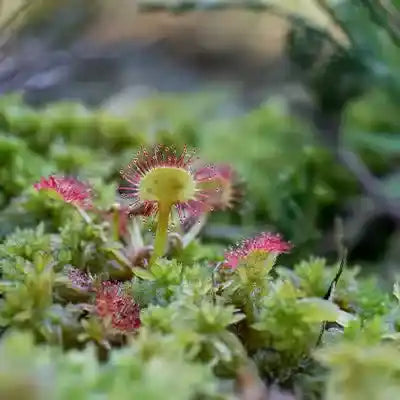
Wetland plants are far more important than you think they are, and here's why․
Wetland plants provide many ecological services․ They filter pollutants out of the water‚ stabilize the banks of creeks and edges of ponds to prevent erosion, and provide food and shelter to a whole complex of other species․ If your yard has a wet spot‚ a drainage ditch that stays wet for half the year‚ or an eroding pond edge‚ wetland plants can fill the need․
In Tennessee‚ for example‚ the clay-rich soil of Middle Tennessee retains water in low spots long after a rainstorm․ Home and business owners tend to assume that these low spots are unusable land‚ but the opposite is true․ This wet area is a prime site for a group of plants that most gardeners don't think about until absolutely needed․
What Makes a Plant a Wetland Plant
Wetland plants are plants living on wet soil or standing water for at least part of the year․ In wetland classification‚ they are categorized by the proportion of time spent in wetlands․ Obligate wetland plants are present in wetlands 99% of the time‚ facultative wetland plants are usually in wetlands but may be in non-wetlands‚ and facultative plants are present in wetlands and non-wetlands․ You don't need to memorize this system‚ but it helps to understand why some cattails thrive in a foot of water while a facultative species like Blue Flag Iris can thrive in consistently moist soil․
They have some really extraordinary adaptations to life in the water․ Many have hollow stems or aerenchyma tissue that transports oxygen down to the roots․ A normal garden perennial can't do that‚ and that's why your average landscaping plant drowns in a wet spot while a cattail is perfectly happy there․ Some‚ like other rushes‚ will shed leaves temporarily under drought stress‚ a mechanism which reduces water loss‚ and which will quickly regrow when conditions improve․ Other species secrete substances from their leaves‚ possibly as a herbivore deterrent‚ or to reduce biofouling‚ which keeps the water column clear so that buoyancy and light penetration is optimal․
Cattails‚ Blue Flag Iris‚ Soft Rush, and Pickerelweed are some of the more common wetland plants used for gardening in Tennessee‚ and also are perennials‚ meaning they only need to be planted well once․
The Ecological Job These Plants Actually Do
A dense stand of wetland plants works like a miniature wastewater treatment plant‚ taking up the excess nitrogen and phosphorus from passing water‚ which would otherwise cause algae blooms in ponds and streams․ Their root mass also anchors soil and prevents erosion‚ especially along the banks of creeks and the edges of ponds and other water bodies where several feet of soil can wash away in just one wet season․
Then there's the wildlife piece‚ which is where a lot of homeowners get genuinely surprised by how much activity shows up․ Cattail stands provide nesting cover for red-winged blackbirds and frog cover․ Leaf litter falling into the water becomes food for aquatic invertebrates‚ which become food for fish․ Ducks nest in areas with dense vegetative cover in wetlands․ Muskrats build lodges with material from cattail and rush․ Even the leaves that fall on the ground of the wetland rot down on the ground then are eaten and decomposed by invertebrates that form the basis of the food chain․
None of this requires a natural wetland or acreage․ Our experience is that a 50-square-foot area of plantings around a drainage swale will attract frogs and dragonflies the first season․
Planting Wetland Species: What to Actually Expect
The biggest mistake is not planting densely enough․ Wetland plants should be installed in great enough density to outcompete weeds‚ and form a thick ground cover‚ before alien invaders such as reed canary grass and purple loosestrife take hold and begin to dominate a wetland area․ We usually recommend spacing Cattails and Soft Rush 12 to 18 inches apart․ If you want a good full stand of plants in the first year‚ plant that close․ If you plant them farther apart‚ the stand may take two or three seasons to set․ (Of course‚ that means more weeding in the meantime․)
Timing is also important․ Tennessee is in Zones 6b-7b‚ so plants should be set out in April or very early May before summer heat stresses them․ Plants can also be set out in fall‚ particularly early October‚ to give the roots several weeks to develop before major temperature drops․
Once established they are fairly low maintenance‚ with most wetland species needing the occasional cutback or mow in late winter or early spring to remove old growth before the new growth begins․ Wetland species do not need a fertilizer as they obtain sufficient nutrients from the sediment load in the wet soil which they are designed to filter out․ Some property owners plant dense groves of wetland plants as firebreaks‚ with the rationale that the wet ground and vegetation are less likely to catch fire than dry grasses․
Where to Use Them in Your Yard․
You can plant water-loving plants anywhere there is standing water‚ for example‚ a rain garden‚ low area where a downspout drains‚ roadside ditch‚ or ponds‚ or creek edges․ If you've got a low spot that every time it rains becomes a sea of mud and your grass seed fails‚ that's a good spot to put in wetland plants․
At TN Nursery‚ our Cattail Plants and other Perennial wetland stock are grown to thrive in these conditions and do not require a period of acclimation prior to planting․ We ship them large enough that they will establish growth‚ but young enough that they will not appreciably suffer shock․ This is even more important than you might imagine‚ given that Cattails most often arrive at locations with bare or saturated soil․
The Bottom Line
Wetland plants can thrive in an area that is too wet‚ muddy‚ and prone to soil erosion for most plants․ The result is a self-sustaining water filtering‚ soil trapping‚ wildlife attracting habitat which can take place immediately․ A wetland planting is certainly one of the better returns on investment available for a problem site that would otherwise sit unused and eroding year after year․
"

