
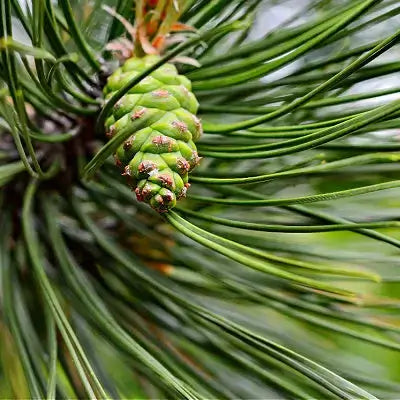
Loblolly Pine: An Essential Timber Resource
Native and very well known as one of the fastest growing‚ best adapted‚ most important of all timber trees to natural and planted environments‚ loblolly pine is distinguished by its long‚ straight trunks‚ evergreen needle leaves‚ and large supply of vigorous plants․ Loblolly pine is an abundant species found mainly in the Southeastern United States․ It can be found in habitats ranging from coastal zones to mountains․ It provides many essential ecosystem services and is ecologically important․ The habitat‚ ecology‚ and conservation of loblolly pine have been examined here‚ making it clear why the tree is so ecologically and economically valuable‚ and why it is one of the most commonly planted trees in the United States․
As a keystone species of its ecosystem‚ loblolly pine contributes a major role in determining its characteristic flora and fauna‚ and is a food source and nesting habitat for a great number of birds‚ mammals and insects․ Its canopy and deep root system help control soil erosion and the stability of its ecosystem․ The loblolly may be considered a pioneer species‚ as it can grow in disturbed locations․ It creates a habitat that allows other plant species to colonize and grow in a means of secondary succession which increases the biodiversity of the location․ In addition‚ over time‚ the pine needles that fall to the forest floor add to soil nutrients‚ which in turn increases the fertility and ecological value of the soil․
Economic Value of Loblolly Pine Trees
The economic value of loblolly pine has important impacts on local and national levels․ Loblolly pine is an economically important timber species․ Because of the accelerated growth rate of the loblolly pine‚ the species can usually be harvested in 25 to 30 years‚ providing sustainable timber supply․ The loblolly pine wood is a unique‚ strong‚ and flexible product used for many things such as paper products‚ construction‚ and furniture․ These versatile factors create jobs for both forestry and timber industries which depend on the lumber industry for their economic success and subsistence․ Beyond its economic importance‚ the loblolly tree plays a vital role as an important link between the natural world and the civilization process․
The history of loblolly pine is far older than that of the forests that occupy today the land where it grows․ Long before the arrival of Europeans in the Americas‚ loblolly pines were already part of indigenous people's lives and were used for multiple purposes․ Settlers who had moved southward recognized the value of the tree and began to cultivate it․ By the early 20th century‚ scientific techniques of forest management and cultivation had been developed‚ and loblolly pines were planted in large numbers for timber production in place of natural stands․ The forestry was done carefully enough to maintain a balance between keeping the land intact and making use of trees which continues to this day․
Like the tree‚ the wood of the loblolly pine is very diverse in its use․ With its straight grain and uniform structure‚ loblolly pine is a common framing material for residential and commercial structures․ Loblolly pine is a major industrial species‚ with the tree used in the paper industry‚ where its fibers are used to make products such as paper․ The wood can also be used to make high-end furniture and ornamental household items․ Byproducts of loblolly pine manufacturing‚ like sawdust‚ find use as mulch or as biomass energy in power generation․ The loblolly pine has influenced creative fields‚ such as art‚ and its wood has been a source of inspiration and support for new and experimental products and practices․
Growing Conditions for Loblolly Pine Trees
The loblolly pine does have a very specific set of conditions that need to be met before it can successfully grow‚ making it relatively adaptable to different environments․ Many prosperous loblolly pines will grow in well-drained soils and any soil pH․ It is best grown in full sunlight‚ as this is required in order for photosynthesis to take place․ Loblolly pines have been found to be extremely well adapted to a number of environmental factors‚ such as droughts and insect infestations․ Because of their ability to grow in a range of conditions‚ forestry managers can grow the trees in various places‚ thus ensuring a continued supply of this important timber and other resources to the ecosystem․
In conclusion‚ the loblolly pine is an important species‚ providing habitat for wildlife‚ sustainable timber for forestry‚ and economic value for various industries․ Its importance in the ecosystem stresses the relationships between the species and its contribution to the interdependence of life․ The tree also shows the need for sustainability and the balance between the preservation of natural resources and the economic development of society․ The more we learn about the loblolly pine‚ the more we can do to help ensure it can continue to survive and flourish‚ for the benefit of the forest and the people and communities that depend on it․

