
But no․ Green manures are commonly added to vegetables‚ fruit trees and ornamental beds‚ to add organic matter‚ feed soil life and improve soil composition․ There are cases where you might skip cover crop seeding‚ if you want to plant acid-loving plants like blueberries and azaleas‚ even on their own grinder transplants‚ to get them established in soil that's active right now‚ or if you're growing soil-borne diseases that are harmful and indeed helped by certain cover crops․ At the end of the day‚ green manure is one of the best things you can do for soil‚ and the specific type you use is probably less important than if you use it at all․
What Green Manure Actually Does to Your Soil
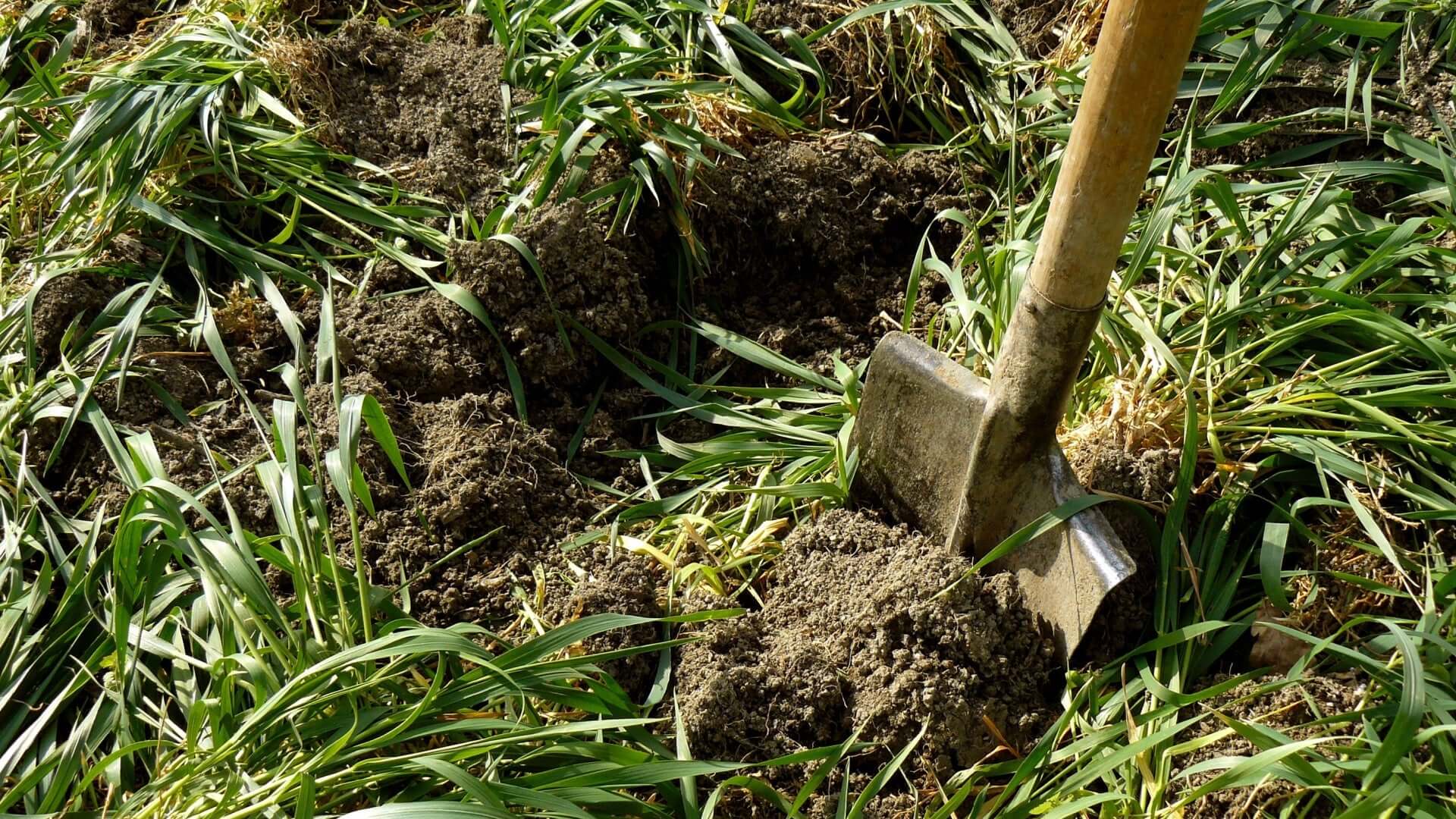
Green manure is a cover crop grown for the express purpose of being plowed under or tilled into the soil when green to improve the soil․ Green manures can improve the availability of nutrients to soil micro-organisms and increase soil organic matter․ Some green manure plants fix nitrogen‚ improve compacted clay soil‚ and provide weed control․ This is especially important in the compacted clay soils of Middle and East Tennessee‚ where soil compaction and lack of drainage can be major issues: One season or two of the right cover crops can radically change the soil's relationship with water․
The catch is that green manures have to be dug in several weeks before the crop is due‚ to give them time to decompose and release their nutrients rather than tie them up․ Indeed‚ if you use a late crop of green manure or leave the stems in place on the top of the soil‚ you might briefly rob your soil of nitrogen as the microbes decompose the plants․
Where Green Manure Shines
Another standard success is vegetable gardens․ Crimson clover and hairy vetch‚ both of which grow in Tennessee's climate (zone 6b-7b)‚ provide a high volume of nitrogen for heavy feeders like tomatoes‚ squash and corn when used as a nitrogen cover crop․ Crimson clover can be planted in early September after the fall harvest crop and over winter (it will look bedraggled and brown after a hard freeze) to be turned under in mid-April‚ three weeks before the last average frost date․ By the time the tomato plants are in place in early May‚ the clover has naturally fixed nitrogen and improved the soil structure in which it grew․
Fruit trees and berry bushes (except blueberries) can be intercropped with green manures growing between tree rows or in the drip zone for short periods․ Buckwheat is preferred due to its quick 40-day flowering cycle and that it does not compete with tree roots as grasses do․
Perennial beds and ornamental borders would also benefit‚ although would probably be missed․ The same is true of new perennial beds or shrub borders․ One season with buckwheat or annual ryegrass will loosen subdivision clay which would be otherwise very dense․ Do it now before the TN Nursery perennials and shrubs arrive‚ because a well-prepared garden bed is the best home for the roots to go out into the first year‚ the most important time for your new plants․
Where You Need to Be More Careful
Exceptions to this are acid loving plants such as blueberries‚ azaleas‚ rhododendrons and mountain laurel which require a pH of between 4․5 and 5․5․ The effect of many green manures‚ and especially legumes‚ is to raise the pH․ This is especially true at growing and decay time when much calcium is released․ If you are having trouble maintaining the correct pH level (very acid) for your blueberries and live in the high pH‚ clay soils in Tennessee‚ clover or vetch will not be your best choice․ Pine straw and sulfur are your friends․
Brassica cover crops (mustard‚ forage radish‚ etc․) breach compacted soils and suppress nematodes‚ but fresh residue turned into the soil can produce mildly toxic effects on seedlings․ Direct-seeding into beds with mustard or radish cover crops turned under is best accomplished 21 or more days after planting․
If you have root-knot nematodes or fungal pathogen wilts‚ choose your cover crop carefully․ For example‚ some grasses‚ such as certain cultivars of sorghum-sudangrass‚ may host nematodes instead of controlling them‚ depending on what species of nematode is present in your area․ But a quick call to your county extension office (UT Extension has offices in every Tennessee county) saves you a wasted season․
Cover crop selection is highly site specific․
For the average home garden in Tennessee‚ I would suggest one of three combinations‚ season permitting․
Plant crimson clover (alone or in combination with an annual ryegrass) in the fall (September-October) to provide nitrogen‚ conserve soil and survive Tennessee's freeze/thaw cycles․ It probably won't winter-kill before it has done its job․
Summer cover: In between the spring and fall crops summer cover is hard to beat․ Buckwheat germinates quickly‚ smothers weeds within weeks and attracts pollinators as it flowers․ Since buckwheat winter-kills‚ there is no root system to manage during the fall season before the next crop․
Compacted or newly constructed soil: A forage radish (or tillage radish) is planted in early fall‚ and its 1+ ft long taproot breaks up soil too deep for a tiller․ In most of Tennessee it winterkills‚ leaving the channels created by its roots for channeling water away when spring is time to plant․
A Realistic Bottom Line
When it comes to cost effectiveness and returns on investment for garden soil improvement‚ green manures are the best bargain․ Green manures are useful for most of what home gardeners grow: vegetables‚ fruit trees‚ roses‚ perennials‚ and most ornamental shrubs․ Exceptions include acid lovers‚ plants going into freshly-turned brassica beds too soon‚ and where the wrong cover crop meets the wrong soil-borne pest․ All your microbes need apart from that is time․ You need to know what characteristics you want your cover crop to provide for the plant and allow enough time for green manure breakdown․


