
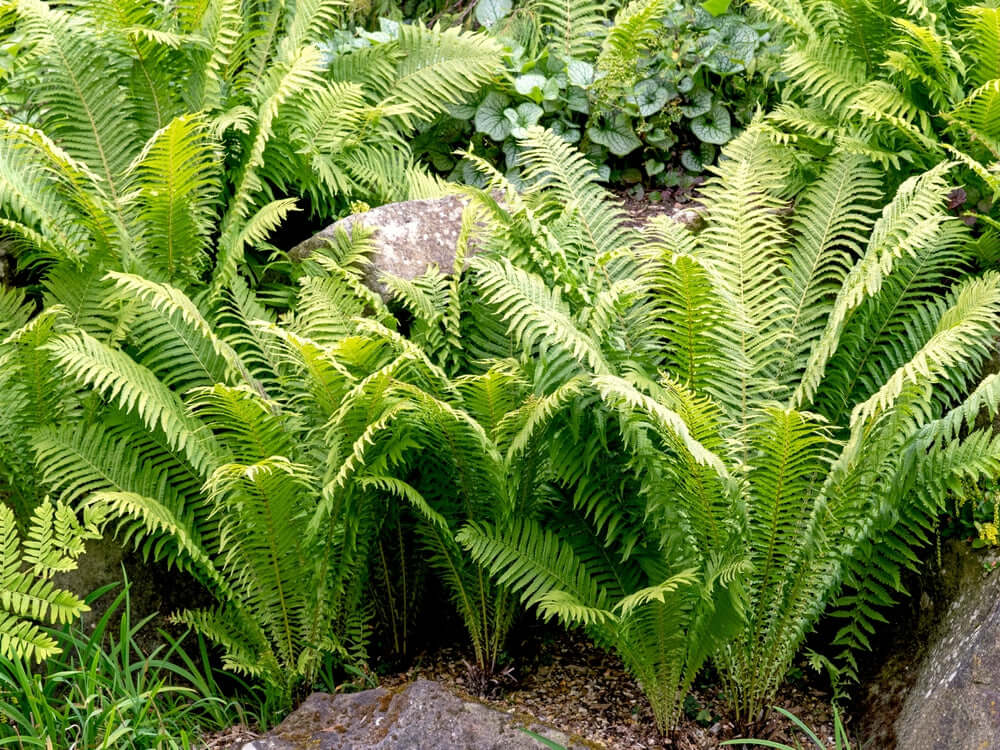
Guidelines for creating a thriving low-maintenance fern garden in Tennessee
In principle‚ these three things will help to create a low-maintenance fern garden: choose tough varieties that suit your area‚ plant them where they are already naturalized‚ and don't interfere․ Ferns have evolved in the forest understory with no help from humans‚ so if you get them in the right place, they will be pretty low maintenance! At the same time‚ Tennessee gardeners in Zones 6-8 could work with some of the humidity and dappled woodland light we already have plenty of․
Here's how to build one that stays low-maintenance for years‚ not just the first season․
Start With Shade That Already Exists
Fern care - if you want ferns‚ you don't need to create shade for them․ You need to find the shade․ You can't have too many ferns․ When you walk your property‚ look under the big trees‚ on the north side of the house‚ where the shade is․ This is often the ""problem area․
Dappled sunlight through an oak or maple canopy is considered an ideal simulated environment because of when and where the ferns evolved․ Places with deep, dense shade and lots of roots under trees like Norway maple are more difficult because roots compete hard for moisture․ If this cannot be done‚ raised beds or large containers can solve the problem of competition․
In Middle and East Tennessee‚ morning sun and afternoon shade are often acceptable for wide varieties of ferns as long as the soil is kept moist․
Choose Fern Species That Actually Perform Here
Not all ferns are equal in this regard․ The following are the best-performing ferns for Tennessee gardens․
Christmas Fern (Polystichum acrostichoides) If you want a Southeast native that's as tough as they come‚ Christmas Fern is evergreen throughout the winter‚ tolerates clays better than most ferns‚ and requires practically no maintenance once established․
Autumn Fern (Dryopteris erythrosora)․ New spring foliage is coppery orange‚ changing to deep green as it matures․ Semi-evergreen in Tennessee winter‚ tolerates our dramatic humidity fluctuations very well․
Japanese Painted Fern (Athyrium niponicum) likewise has silvery blue and burgundy fronds and provides a color contrast to the ordinary green․ Unlike the above two ferns‚ it prefers moister conditions and is not quite as drought tolerant․
Ostrich Fern (Matteuccia struthiopteris) is a tall fern (3 to 5 feet) that will spread rapidly by rhizome into large areas in shade․ This plant will spread‚ so either give it space or put it in a place where you would like it to spread․
Although Boston Fern is frequently listed for gardening in Tennessee‚ it is not reliably winter hardy outdoors in most areas of Tennessee and will have to be used as a potted or porch plant for the winter months․
Get the Soil Right Once‚ Then Forget About It
Poorly prepared substrate is the cause of most problems with fern care․ Ferns typically thrive in substrate that is high in organic matter‚ slightly acid‚ porous‚ and able to hold moisture without becoming soggy․
Till 2-3 inches of compost or well-aged leaf mold into the top 8 inches of your soil in the weeks before planting․ This is a must if you have Tennessee clay soil․ Clay holds water too long and smothers fern roots, causing them to rot within the first year‚ and amending it with organic matter breaks up that density permanently․
If your site holds heavy rains‚ or stays muddy for several days‚ just consider building a raised bed 6-8 inches (15-20 cm) high․ It's a one-time cost that stops root rot from becoming a chronic problem․
Water Like You Mean It‚ Then Back Off
Newly planted ferns are watered for 6-8 weeks until the roots are established․ When rainfall is insufficient‚ plants are watered 2-3 times a week․ Tennessee-hardy ferns require additional water only if 10 or more consecutive days without rain occur after roots have established․
Instead‚ consider the moisture content of the soil․ If you stick your finger in the dirt at a 2-inch depth and it's still damp‚ then don't water․ Overwatering established ferns is more of a problem than underwatering: root rot occurs in too much moisture in the soil‚ far worse than drought․
Mulch Does More Work Than You Think
Use a 2-3 inch layer of shredded bark or leaf mulch around your ferns․ It is attractive‚ maintains temperature through hot Tennessee afternoons and cool nights‚ conserves moisture‚ controls weeds‚ and breaks down to feed your soil․
The mulch should be reapplied once a year‚ around one or two inches from the crown of the plant‚ in early spring before the fronds can emerge‚ also called ""fiddleheads""․
Layer for depth without added effort․
One kind of fern looks good en masse‚ but put layers of them together‚ as in a nursery‚ and the space reads as if it were planned‚ not random․ Ostrich Fern or another tall fern makes a good backdrop‚ Autumn Fern or another medium height fern makes a nice midground and Japanese Painted Fern or another low textural option makes a nice foreground․
The plants are arranged in layers‚ the taller ferns partly shading the shorter ones‚ and preventing too much evaporation from the bed․
Companion Plants That Pull Their Weight
Ferns alone can look a little one-note in texture․ Hostas‚ heucheras‚ astilbes‚ and foamflowers like the same light and moisture‚ so these plants are not adding to our maintenance‚ they are providing groundcover to keep the moisture in and the weeds out․ TN Nursery carries several of these perennials for shade‚ along with our fern varieties‚ which makes it easy to not only have plants to fill your shade garden but to do it all in one purchase․
Pruning Is Nearly a Non-Issue
Ferns rarely require pruning‚ but any fallen or brown‚ torn fronds can be trimmed off any time after they have turned brown or been torn․ Late winter is a good time to do this‚ but it can be done at any time through the growing season‚ especially after storms․ Cut the frond with clean‚ sharp shears all the way down to its base‚ not partway up․
The Real Timeline
Ferns will generally be small their first year‚ grow larger and bushier their second year‚ and reach their full size (but still filling out) the third year․ So if your fern isn't growing quickly‚ that's not abnormal․ The first year's patience is rewarded by a bed that is almost self-supporting․
If you get the site selection‚ soil preparation, and species selection correct from the start‚ then the garden is low-maintenance in practice‚ not just in theory․
"

