
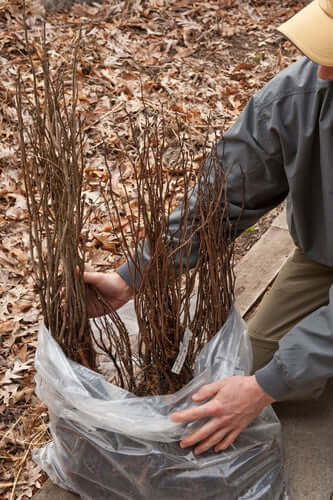
Effective Techniques For Bare Root Planting
Bare root planting is a planting method commonly used in the very first stages of a tree or shrub's life cycle in gardens․ Plants are sold without dirt around the roots to give the buyer an opportunity to utilize the tree or shrub's rapid growth potential specific to a particular soil and climate condition․ Bare root can be easier to handle‚ less expensive‚ and appropriate for a greater range of planting conditions if done correctly‚ but a bare root plant does require certain steps to guarantee success․ Knowing how to plant bare root allows the gardener to play an active role in the establishment of their landscape․
There are many factors that go into choosing bare root plants for your particular garden: climate‚ soil type‚ plant size at maturity‚ and many others․ Each of these factors will determine if a plant succeeds or fails․ For the best local adaptation‚ native plants may survive better than plants from other regions․ A knowledgeable gardener can tell good roots․ Healthy bare-root plants should have firm‚ flexible roots and no signs of rot‚ and selecting plants that are most suited to the specific landscaping objectives desired (such as shade‚ ornamentation‚ or provision of wildlife habitat) will increase the chances of a successful planting․
Timing is Critical When Planting
Timing of planting bare roots is critical: they should be planted during their dormant period‚ which may be late fall to early spring‚ in your climate zone․ Since trees and shrubs are dormant in winter‚ they expend little energy in growing and transplanting them at that time is much easier․ Also‚ rooted plants need time to become established before spring growth․ They must‚ however‚ be planted before the buds begin to swell if they are to be successfully forced․ Gardeners must‚ therefore‚ be careful to wait for the right type of weather‚ as planting must take place in mild conditions to avoid shock from extremes of temperature․
Preparing the soil can be critical for transplanting bare root plants․ The desired location should have soil that is well-drained‚ fertile‚ and free from weeds․ The soil should be amended with an organic material such as compost‚ which will loosen the soil to a depth suitable for drainage‚ and will also supply nutrients to the seedlings once planted in the holes․ The pH level of the soil can be checked․ A slightly acidic to neutral soil is preferred by most trees and shrubs․ The soil has to be prepared in a way that creates a good environment for the plants to grow well after they are planted․
Planting Depth is Important
There is some variety in how deep a tree should be planted‚ depending on species‚ but the general rule is to plant the root ball as deep as possible without severely bending the roots and to have the top of the rootball at the same depth on the trunk as it was in the nursery․ Planting too deep may give roots no oxygen and cause rot at base of the plant while planting too shallow will expose the plant too much‚ not allowing the roots to absorb enough water․ Setting the roots into the hole adequately and then backfilling the hole properly will stabilize the plant and allow it to grow better․
It is also important to water and care for bare root trees and shrubs after planting because they may need more frequent watering until they root in․ Giving plants a thorough soaking once a week encourages roots to explore the soil‚ where they can forage for moisture and nutrients‚ and a layer of mulch helps retain moisture in the soil and control weeds․ Plants should be monitored for stress as the seasons and growing environments change and watering should be adjusted based on the seasons and the age of the plant․
The bottom line is that bare root planting provides an opportunity for every gardener to grow healthy‚ vigorous trees and shrubs and that anyone can landscape successfully by understanding tree selection‚ proper planting time‚ soil preparation‚ planting depth‚ and continuing care of the trees․ These principles can be helpful to both the individual gain (increased interaction with the natural world) and the overall gain (increased environmental quality)․ At the end of this guide‚ a garden with thriving plants and animals can become a reality․ Being able to take a bare root plant and through time and effort‚ nurture it until it becomes a healthy tree or shrub‚ is a magical experience showing the strength of nature․


