
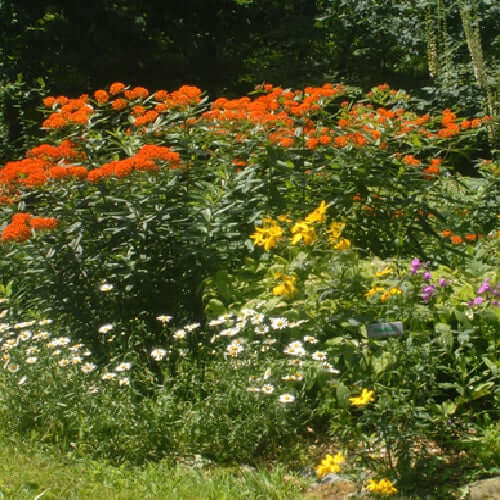
How to establish perennial plants that come back stronger each year
However‚ the downside of perennials is that it takes one full growing season for the roots to establish themselves enough to support new growth and blooms‚ so most perennials do not reach their peak until the second or third year․ But that's the trade-off․ Perennials cost more patience at first‚ but then‚ after their establishment year‚ you have a self-sustaining‚ come-back-every-year garden that you don't have to touch․
We're USDA zone 6b-7b in Tennessee․ Those zones span from the high mountains of East Tennessee to some of the warmer Memphis-area gardens of West Tennessee․ We have a wide enough range to grow all the customary cottage garden perennials such as coneflower and black-eyed Susan right along with the woodland natives such as Solomon's seal and wild ginger․ But it also means our summers get hot and humid enough to stress out the dry-weather-loving plants‚ and our clay-heavy soil in much of Middle Tennessee needs a little help before those perennials will thrive․
Selecting Plants Appropriate to Your Site
The number one mistake we see is folks buying perennials based on a photograph rather than the conditions in which they will be growing․ Walk out into the area you want to plant in the morning and afternoon and see how much direct sun the area receives․ Full sun six or more hours a day is ideal for daylilies‚ coneflower and black-eyed Susan․ Partial sun 4 to 6 hours a day is ideal for astilbe and columbine․ Anything less than 4 hours is shady territory‚ and that's where hostas‚ ferns and Virginia bluebells earn their keep․
In addition to light‚ soil matters․ Tennessee clay is slow-draining‚ which can drown perennials that prefer well-drained soil‚ such as lavender and Russian sage․ For wet soils that remain puddled for 24 hours after rainfall‚ perennials that tolerate wet conditions can be used, or the bed can be amended with compost and coarse sand․
Planting: Timing and Technique
In Tennessee‚ fall planting in September through mid-October gives the perennials a longer growing season‚ as the ground is still warm for root establishment and cool air temperatures are easier on the top growth․ Spring planting works as well and is necessary for some perennials‚ such as daylilies and hostas‚ which tolerate replanting best during the time of new growth starting in April․
The hole should be about twice the size of the root ball․ When planting a perennial too deeply (one of the most common ways people kill a perennial)‚ the crown (where roots meet stem) should be at or above soil level․ Fill the hole with mixture of native soil and compost‚ and tamp in on bottom so that all air pockets are gone․ Water it in․ That first watering matters more than you might realize; it settles the soil into place around the roots and fills in any air pockets that will otherwise dry out the root ball․
Space plants to their mature size‚ not the size of the nursery pot․ A hosta that appears alone in a 12-inch pot may need 2 to 3 feet in three years․ More crowding means digging up and dividing sooner than you'd like․
The First Year Is All About Roots
Most perennials require consistent moisture during the establishment phase (8-12 weeks after planting)․ Water 2 to 3 times a week‚ as needed‚ if there is no rainfall‚ for approximately 1 inch (2․5 cm) per week․ Do not allow the soil to become too dry or too wet‚ since both conditions are damaging to the roots․ Following the first year‚ supplemental irrigation for most perennials will be needed only during extended dry spells‚ which occur most frequently in the mid to late summer in Tennessee․
Mulch is necessary in this climate․ Apply a 2- to 3-in (5․1 to 7․6 cm) layer of shredded-bark or shredded-leaf mulch over the garden to even soil temperature‚ suppress weeds and slow evaporation․ Leave a few inches of space from mulch to crown‚ as mulch against the stem may lead to rotting and pests․
Skip the fertilizer when planting‚ but then give a balanced‚ slow-release fertilizer when the new growth comes out the next spring․ Perennials that you push too hard with nitrogen in year one to create foliage may not be establishing their roots when that's the goal you're after․
Ongoing maintenance that matters
Deadhead spent blooms on repeat flowering perennials‚ such as coreopsis and salvia‚ to encourage a second flowering․ For the foliage of hosta and daylily‚ no need to deadhead; let the leaves stay until yellows in autumn‚ as the leaves are feeding the root system even after flowers are gone․
Every 3 to 5 years, most perennials should be divided․ A perennial may need dividing when it has a hollow dead center in the clump‚ is not blooming well‚ or has outgrown its neighbors․ Daylilies generally do best when divided in early spring or fall‚ when they are also planted․
Japanese beetles‚ which emerge in June and July‚ skeletonize (eat the leaf between the veins) daylily and hibiscus foliage within a few days․ Garden phlox is susceptible to powdery mildew in the summer months and can be prevented by planting them far enough apart so that air can circulate through the plants․
Raised Beds Favor Some Perennials Over Others
Raised beds solve a lot of problems‚ especially if you've got clay soil or poor drainage․ Daylilies‚ hostas‚ columbine, and Virginia bluebells are plants that do very‚ very well in raised beds because you can control the soil․
Daylilies bloom from June to September․ Individual flowers last only a day‚ but new flowers bloom in succession․ In the shadier raised beds‚ big hostas‚ with their differences in size‚ color and shape‚ give plenty of texture as well‚ and the flowers come second․ Virginia bluebells come early in April‚ flowering in clusters of bells on arching stems‚ and they really naturalize well in drifts․ They mix very well with later-blooming plants․
TN Nursery grows many of its perennials out in the field‚ rather than in pots protected from the elements․ Unlike many perennials shipped to your door‚ which are shipped from a nursery in a different growing zone‚ TN Nursery's climate‚ soil‚ and weather conditions are unique to your local zone․ That head start when establishing is a key reason why we grow the way we do․
By putting the effort into them at the start‚ watering and looking after them through their first year‚ you'll have a garden that gets better with less effort each year․
"

