
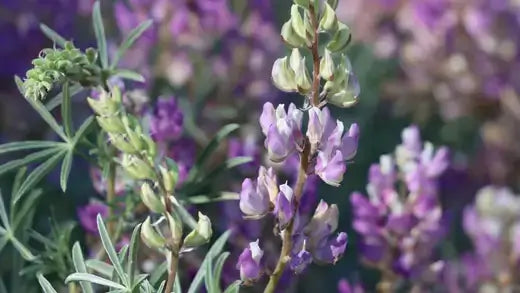
Native perennial plants are all the plants that are best suited to the region as they are found in their native habitats‚ and that exhibit extraordinary resilience while adapting to the conditions they encounter in their environment․ Unlike non-native perennials that may struggle to survive a move to a new environment or consume large amounts of natural resources‚ perennial natives have established complex and often interdependent relationships with local ecosystems through evolutionary processes spanning thousands of years‚ and are essential to environmental well-being and the sustainability of biodiversity in an increasingly hot and fragmented world․ Hugh discusses the value of native perennial plants‚ their role in providing habitat for wildlife and their importance in creating sustainable landscapes in this essay․
Perennial native plants are well adapted to the climate‚ soil and other conditions in their native habitat‚ and therefore require less water‚ fertilizer and other inputs and maintenance than plants which are not native to a given region․ This provides a direct economic benefit of lowering the cost of gardening‚ and has the indirect benefit of reducing the pressure on the local ecology․ Deep-rooted native perennials are ideal for preventing and controlling soil erosion and improving soil structure․ These plants are adapted to their environment as they have been growing in that particular area for thousands of years․ They have low water demands‚ are less prone to disease and pests‚ and create wildlife habitat․ Planting native plants in a home garden is not just a design choice but an important aspect of sustainable gardening․
Native Perennials Help Wildlife
Native perennial plants provide food and habitat to wildlife‚ and thus native plant gardens can be one important way to provide support for the biodiversity of the local ecosystem as a whole․ These plants also provide seeds‚ berries‚ and nectar for a variety of insects‚ birds‚ and small mammals․ For example‚ many songbirds will build their nests in native plants‚ and pollinators such as bees and butterflies will feed on them․ Cultivating native perennials will transform our gardens into tiny natural ecosystems which establish a living bridge between the natural world and local wildlife‚ with flowers attracting pollinators and providing a shelter for all sorts of life‚ contributing to the beauty and rich diversity of our environment․
Thought should be given to pollinators when selecting native perennials․ Pollinators (insects‚ birds and other animals that carry pollen) are responsible for the reproduction of 75% of flowering plants in the world‚ including many plants that humans eat as food crops․ Native plants and insects have evolved alongside each other‚ forming interdependent relationships․ Most native wildflower species‚ including coneflowers‚ bee balm‚ and milkweed‚ provide nectar to native butterflies‚ bees‚ and hummingbirds․ By planting these species in your own garden‚ you create a safe habitat for pollinators and allow them to thrive in a world constricting because of development․ This creates a chain reaction‚ and native perennial plants become a vital link in ensuring pollinators thrive․
Native Perennial Are Drought Resistant
Native perennial plants are drought resistant‚ and only need watering during dry periods when getting established‚ making them perfect for low maintenance landscaping․ Heavy use of native plants in the landscape can effectively reduce water use needed to maintain it even in drought or arid conditions or in areas with strained water resources․ Established perennial natives also increase the percolation of rainwater into the soil (and recharging the groundwater)‚ instead of running off in stormwater․ Growing any of these native plants in a home landscape allows for a more sustainable landscaping approach that conserves water and maintains the customary landscaping look of a neighborhood․
In many Indigenous cultures‚ native plants are culturally important not just for their appearance but also for customary uses as food‚ medicine‚ materials‚ and sources of other important resources․ Since many of these plants are imbued with sacred stories‚ often passed down through many generations‚ growing native perennials can also pay homage to those stories while respecting the local ecology․ As we become stewards of the native plants that surround us‚ we can also learn from the customary knowledge of those who came before us and who had an intimate knowledge of the plants that supported their lives․
Choosing Your Native Perennial
Ultimately‚ selecting native perennial plants has positive effects: it improves and supports habitats and promotes ecological diversity and water conservation which benefits characteristic traits including biodiversity and cultural importance providing overall growth and helpful ecosystem․ To garden with a purpose that helps sustain all life in the local ecosystem means to become part of something larger and more miraculous․ In a suburban backyard or an urban balcony‚ native perennials allow one to tap into the life cycle the world has been passing on for generations․ So in this land where we have toiled‚ may we plant the seeds of knowledge and appreciation for our native plants‚ ensuring future generations carry forth our respect for the delicate balance of life․


