
Online Plant Nursery Shopping for Tennessee & Southeast Gardens: What Actually Matters
If you're a home gardener in Zone 6a to 7b (most of Tennessee‚ Kentucky‚ Virginia and the Carolinas)‚ when you order plants online‚ they need to be able to grow in heavy clay soil‚ tolerate summer humidity and temperature swings of 30 degrees in 48 hours during winter․ That's not the same thing as ordering from a national catalog aimed at Zone 5 Midwest gardens or Zone 8 Gulf Coast gardens․ TN Nursery ships plants already grown and hardened in Middle Tennessee‚ so they have already dealt with the swings your yard will throw at them․
Why Regional Sourcing Beats a Bigger Catalog
Most large online nurseries carry the same 400 plants everywhere‚ rating them generically as "hardy in Zones 4-9․" But that says nothing about how well a plant does in Nashville's heavy clay versus Michigan's sandy loam․ Plants from regional growers are already acclimated to your rainfall‚ your first and last frost dates‚ and your soil pH‚ so they are that much closer to going straight into your garden․
An average first frost date in Tennessee is between October 15 and November 5‚ depending on the county․ The average last frost date in Middle Tennessee is in mid-April‚ but it is later in the month for higher-elevation counties of East Tennessee․ Therefore‚ nurseries in Tennessee grow plants with root systems suited to this․ Well‚ that's a real advantage over a plant shipped from a nursery in Oregon or Michigan that's never experienced a 95-degree July with 80% humidity․
What to check before you buy from any online nursery
Top growth is not the only indicator of a strong root system․ A nice image tells nothing․ Ask for bare-root‚ containerized‚ or balled and burlapped plants․ Bare-root perennials and shrubs‚ shipped dormant in late autumn or early spring‚ may experience less transplant shock than plants in containers because their roots are undisturbed at planting time․ The reason TN Nursery ships most perennials and native shrubs bare-root while dormant is that they have better root contact with the soil when planted․
Realistic sizing information․ If a listing says it contains a 6 foot shrub‚ does it? And will you actually get the size listed? "ships as 12-18 inch bare-root plants" tells you what to expect on your porch‚ not what you'll be looking at three years from now․
Soil conditions and light requirements․ Instead of using generic terms like full sun to partial shade‚ be specific to your climate zone․ For example‚ Tennessee clay is slow-draining‚ so a plant that prefers well-drained soil could need modified beds or raised rows in Tennessee even if it grows well elsewhere․
When shipping‚ however‚ weather dictates the shipping windows․ Reputable nurseries hold plants during extreme heat and hard freeze to avoid plants being loaded on a truck at 100°F or 15°F․ If a site claims to ship year-round no matter your local weather‚ that's worth questioning․
The Planting Window That Actually Matters
An underused technique for Zone 6-7 gardens‚ fall planting (late September to November) pays off because soil is still warm enough for the roots to grow while the air is getting colder․ Plus‚ you skip the stress of summertime planting while dealing with 90 degree heat․ Another option is to plant in spring‚ but since the roots have less time to establish before the hot summer months they will need watering more frequently․
Whatever you are planting‚ plan to hand-water new plants 2-3 times a week for the first 3-4 weeks․ You may only need to water once a week through the first growing season‚ unless rainfall is sufficient․ Most perennials and native shrubs will take about a year to root deeply enough to survive without supplemental watering․
Focus of the TN Nursery
We've had over 60 years experience‚ and we specialize in the plants that work in Zone 6 and 7 gardens․ As a result we have a lot of plants that work here with little care․
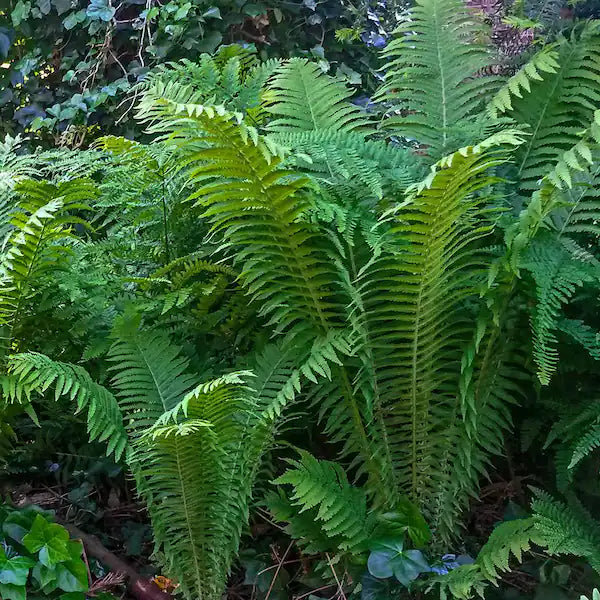
- Native perennials‚ like Black-Eyed Susan‚ Coneflower‚ and Cardinal Flower‚ provide pollinator habitat and thrive in Tennessee's native clay soil once established․ - The pawpaw tree is a native fruit tree that is truly underutilized‚ and will tolerate partial shade and clay better than most‚ and should bear fruit 4-8 years from planting whether a grafted tree or a seedling․ - Ferns and shade groundcovers well suited for understory conditions on wooded lots in Tennessee - Bare-root shrubs and hedging plants are shipped dormant to ensure better establishment in year one
We post planting depth‚ spacing‚ and light requirements for each of these directly on the product page itself‚ not buried in some care blog that you have to hunt for․
Ethical Growing Practices Actually Worth Asking About
Inquire about a nursery's pest management and root care protocols before plants are shipped․
- Integrated pest management using helpful insects and other cultural practices before resorting to chemical controls - Root pruning encourages a fibrous root system rather than a single taproot around the edge of the container - Soil testing so plants can be grown in soil that is not too depleted or acidic
At TN Nursery‚ we record the results of soil analysis from each of our fields‚ and the changes we make in soil amendments over time‚ resulting in field-grown plants with a root system that is ready to take off‚ not just coasting on synthetic fertilizer․
Making the Online Shopping Part Easy․
A knowledgeable site is useless if it's not user-friendly․ A great online nursery will let you filter for sun and shade‚ mature size and hardiness zone‚ not just plant type․ They should also include actual photos of the size plant you are buying‚ not just the larger plant photos‚ and should offer simple delivery options (local delivery‚ curbside pickup‚ or standard shipping with estimated delivery window)․
On TN Nursery's website‚ you can browse through over 200 varieties with growing‚ spacing recommend


