
Benefits of Organic Gardening
Just step outside and smell the aroma‚ feel the sunshine on your skin‚ and grow a combination of healthy foods․ It is like building a miniature world‚ a personal universe‚ where life abounds‚ and love flourishes․ While growing these plants we will also learn more about the food we eat and how we grow it․ This simple and rewarding experience of growing our own vegetables and fruits will give us not just fresh food but also awareness of nutrition and environmental issues․ Lets take a look at organic gardening․
Organic gardening is a style of gardening that subscribes to a philosophy of working with nature‚ by growing food without the use of synthetic fertilizers and pesticides‚ to create a sustainable ecology․ One of the most important benefits of organic gardening is the biodiversity in our ecosystem․ When we grow food without using chemicals‚ we attract helpful bugs and pollinators such as bees and butterflies‚ and they help pollinate the plants so we can get good crops․ Organic gardening improves the soil by incorporating compost materials and promotes microorganisms to create a healthy ecosystem in which plants thrive on their own‚ thus allowing for a sustainable gardening form․
Soil Heath and Nutrition
The old adage 'the soil is the foundation of any garden' is true․ Healthy soil is full of nutrients that provide everything the plant roots need to grow strong and healthy․ Organic gardening stresses the importance of maintaining soil health․ A living soil is obtained by the addition of organic material in the form of compost‚ manure‚ and/or mulched fall leaves‚ which provides nutrients and improves soil structure․ When the soil has been properly fed‚ it is like a sponge that can contain and keep water‚ and produce food․ The result of fertilization is food for us‚ through an increased crop of vitamins‚ minerals‚ and antioxidants in fruits and vegetables․ These food items can improve our health and improve the processes occurring within our bodies․
Community gardens are another method of organic gardening․ They are an important source of strength in a community․ A community garden is a piece of land that is gardened collectively by a group of people‚ such as neighbors‚ friends‚ or family members․ Community gardening builds a community by helping neighbors share gardening knowledge‚ seeds and produce with each other․ The book also discusses food production as a means for building both healthy meals and healthy relationships‚ education in sustainability‚ learning to be mindful about food systems‚ and connecting one's self to the cycles of nature․
Harvesting Techniques for Fresh Produce
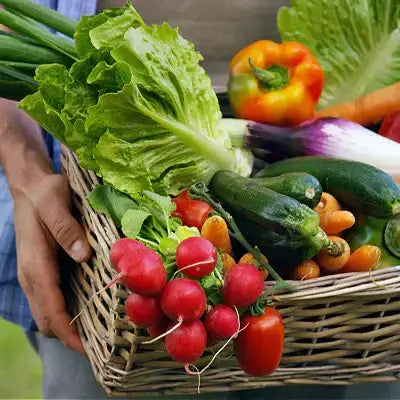
Harvest time is anticipated‚ and multiple practices are used to improve the quality of vegetables and fruits at the time of harvest․ Fruits and vegetables are considered ready for harvest when they display certain visual indicators․ For example‚ a juicy red tomato should be a rich red color and should give slightly when squeezed․ When the fruits and vegetables are tender‚ they are harvested by hand; when firm‚ tools such as scissors or shears are used․ In this way‚ the gathering of the new crops not only fills our wicker baskets‚ it fills our hearts․ It reminds us of the fruits of our labor‚ the connection we have with all things natural‚ and the seasons and the bounty they provide․
Companion planting is a method of intercropping that is used to increase the yield of a garden by placing different crops in proximity to each other for mutual benefits‚ such as pest control․ Examples include marigolds grown with tomatoes to repel nematodes‚ and basil which is reputed to improve the flavor of peppers when grown next to them․ By implementing companion planting‚ we can create an original garden that benefits the ecosystem as plants can grow beside each other rather than against each other․
Therefore‚ growing a garden with healthy food is not only giving life to the body‚ but it can also give life to the heart and the spirit․ It is also sustainable and builds community through organic gardening efforts․ To take care of our soil‚ to enjoy the harvest‚ to be smart about companion planting‚ to dig our hands into the earth: all of these activities are key to the joys of gardening․ Gardening can bring together a lifestyle not only of sustainability‚ but of a form of social interaction and coherence․ Because every seed we plant means a better tomorrow for us and future generations‚ let us begin this beautiful journey of planting‚ seed by seed‚ both gardens that nourish and gardens that nourish souls․


