
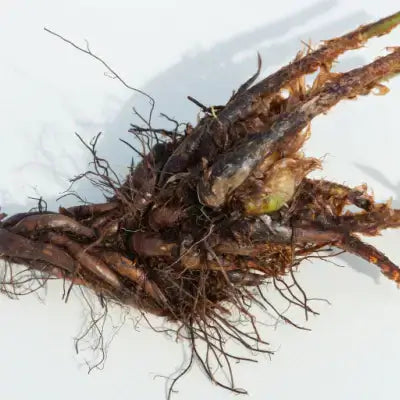
Bare-root planting is a smart way to make your yard look good with less work and money. You can buy bareroot plants that don't have dirt around their roots. This makes them lighter and easier to handle. A lot of farmers now prefer to buy bare root plants online because they are easy to ship and grow quickly.
These plants help keep the roots healthy and support the soil's living organisms by allowing them to naturally come into contact with compost and other organic matter. For home gardening of all kinds, TN Nursery has expert advice and high-quality bare-root plants.
What Are Bare-Root Plants and How Do They Differ?
If you grow trees, shrubs, or flowers in open areas and then lift them while they are dormant, you have bare-root plants. They are shipped without soil, so the roots can come into contact with the earth where they will grow. This method helps soil organisms adapt more quickly and increases the diversity of microbes around roots. When gardeners learn how to grow bare root plants, the roots often get healthier faster because they can spread out easily in organic matter.
Bare-root stock doesn't have a root connection like potted plants do. Since the roots are already there and can bend, planting bare root trees is simpler. The plant grows quickly and better uses water when put in dirt that is high in compost. Since bare-root plants are put after rest times, they also have less transfer shock. They are suitable for farmers who want to plant things easily and see long-term growth with few problems.
Advantages of Using Bare-Root Plants in Gardens
-
Season
Lower Cost and Value
Because they don't need pots or dirt, bareroot plants generally cost less. Because of this, buying bare root plants online is a cheap way to do big planting jobs. -
Information
Roots that grow faster
Roots go straight into waste and organic matter. This helps the living things in the dirt and builds early on good root health. -
Simple to move and store
Bare-root plants are lighter and easier to move because they don't have to deal with heavy dirt. In the planting season, this makes things easier for farmers. -
Better Connection to the Soil
Microbial richness increases with direct contact with local soil. This helps plants get used to their new environment more quickly. -
Flexible Planting Options
You can put bareroot plants in bigger areas. When you buy bare root plants online, you can choose from more kinds. -
Healthier Long-Term Growth
Roots don't grow in circles; they grow spontaneously. This makes the body stronger and lasts longer. -
Choose an eco-friendly option.
Sustainability is helped by using less packaging. Less disruption is good for soil creatures.
Types of Bare-Root Plants Available
Pink Princess Dogwood
Pink Princess Dogwood tree has soft pink flowers that look great at any time of the year. Growing bare root trees works well in compost-rich soil, according to gardeners. With proper care, it supports a variety of microbes and improves the environment.
Fiddlehead fern
A fern that does best in damp organic waste and likes to be in the shade. This is the best way to learn how to grow bare root plants in wild areas. Its roots help keep the earth healthy and safe for living things.
White Pine Tree
White Pine Tree is a tall evergreen that is known for how long it lasts and how fast it grows. Ideally suited to planting bare root trees in open spaces. It helps the roots stay healthy, and the dirt stay stable over time.
Kwanzan Cherry Tree
The flowers on this decorative tree are very bright in the spring. Gardeners who are interested in growing bare root trees are interested in how quickly they grow in soil that has been improved with compost and how beautiful they look.
Seasonal Tips for Planting Bare-Root Plants
- For best success with bareroot plants, put them when they are dormant.
- Ordering bare root plants online in early spring lets the roots get used to the weather before it gets too hot.
- Composting the earth will help the creatures that live in it.
- When you plant, keep the roots wet to protect their health.
- To support a variety of microbes, don't let the ground freeze.
- Give plants a lot of water after planting to help the organic waste settle.
- Lightly mulch to keep the soil wet without blocking air flow.
Conclusion
It's easy and cheap to grow trees, shrubs, and flowers from bare-root plants. They help roots grow faster, earth organisms do better, and microbial variety gets stronger. If you put these plants directly into organic waste, they take off quickly and succeed on their own. Gardeners like growing seasons that are open and things that are easy to handle. You can still count on TN Nursery to have good plants like the Pink Princess Dogwood, Fiddlehead Fern, White Pine Tree, and Kwanzan Cherry Tree. When you choose bare-root plants, you make your garden healthy, and the effects last longer.
FAQ's
What are the benefits of bare root plants?
They are easier to move and set up and cost less. For better growth, roots connect directly with the earth and living things.
Bare Root PlantsWhen is the best season to plant bare-root trees and shrubs?
The best time is from late winter to early spring, when plants are dormant, and the ground is easy to work.
Do bare-root plants require special care?
The dirt should be rich in compost and well-watered when you put them. Once care is set up, it's easy.
Why is bare root cheaper?
Not having pots or dirt lowers the cost of shipping and handling. The total price goes down.
How long do bare roots take to grow?
If placed correctly, most of them start to grow new leaves within the first growing season.
Where can I buy quality bare-root plants online?
TN Nursery has many healthy bare-root plants and can help you with them.
Pine Seedlings


