
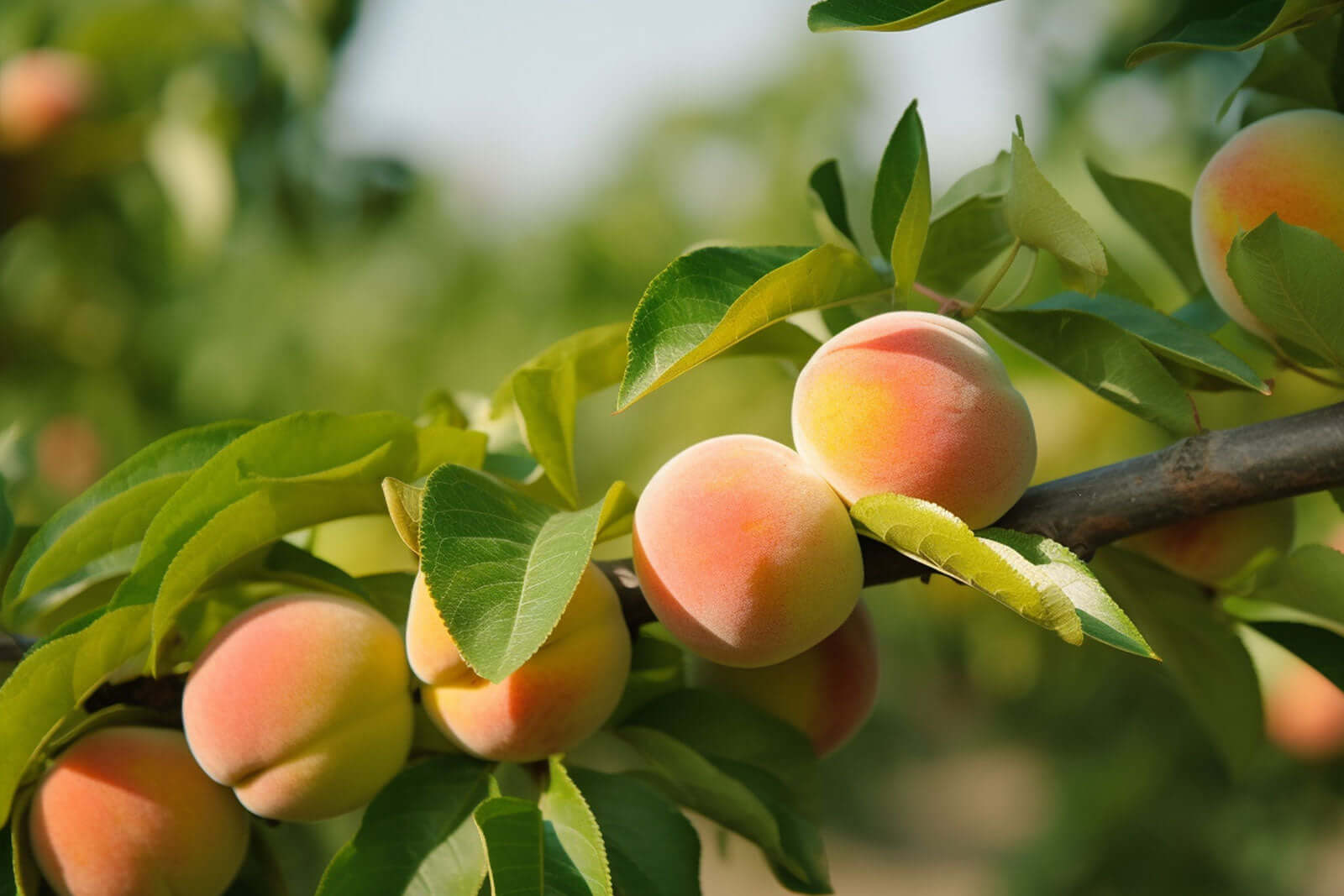
Ready to grow your delicious peaches? Planting peach trees in your garden requires the right techniques and care. It's not an easy task to do, especially if you're a beginner. If you're new to planting peach trees, this step-by-step guide will help you successfully establish and care for them in their initial year.
Planting Peach Trees in Springtime
Spring is the ideal time to plant peach trees, providing a fresh beginning for your garden's newest fruit tree. By planting in spring, the trees have sufficient time to develop strong roots before the arrival of summer heat.
Choose the Perfect Peach Tree Variety
Choosing the right variety of peach trees is the first step for successful growth. Consider the climate in your area and look for resilient strains that can withstand common issues like leaf curl or fungal diseases. Compact dwarf peach trees are a great choice for small gardens while sun-loving varieties thrive in warm environments. Additionally, grafted peach trees often produce fruit earlier than those grown from a peach pit.
How to Prepare the Planting Site
Choosing the right spot for planting is essential for a thriving peach tree. Ensure the location gets ample sunlight, as peaches thrive in sunny conditions. The soil should have good drainage, and if it's heavy clay, add organic matter to enhance water drainage and airflow around the roots.
When digging the planting hole, make it twice as wide as the root ball but keep the depth the same. This promotes extensive root development without burying the tree too deep, preventing stunted growth or root rot.
If planting bareroot trees, watch this video:
How To Water Your Peach Trees Properly
Proper watering is vital for the initial year of a peach tree's life. Maintaining a well-balanced soil moisture level is essential to promote healthy growth and maximize fruit production. It is important to find the right balance and avoid overwatering or underwatering, as these can affect the tree's overall health.
Aiming to provide approximately one inch of water per week is a general guideline to follow, but it's important to adjust this amount based on prevailing weather conditions, particularly during dry spells.
If you have selected a planting location with heavy clay soil or poor drainage, it's necessary to address these challenges to ensure optimal water flow around the tree's root system. Enhancing water drainage by using organic matter can be beneficial. However, make sure to prevent the accumulation of water around the tree's base.
To assess whether your watering practices are on track, a practical tool such as a screwdriver can be used as a gauge. By inserting it into the soil near the tree's root ball, you can determine whether it easily penetrates several inches deep, indicating sufficient moisture below the surface.
Peach Tree Care Techniques
Pruning is a great technique to grow peach trees. You should start pruning in spring after planting by trimming vigorous shoots growing from the main branches. This encourages the formation of an open center shape, allowing equal sunlight distribution throughout the tree.
During summer, pruning helps stimulate new growth, which is essential for future fruit production. To support the development of strong branches, apply 3/4 pounds of nitrogen fertilizer in both spring and early summer. However, it is important to avoid removing all leafy shoots, as some leaves are necessary for photosynthesis.
Daffodil PlantIdentifying Common Peach Tree Diseases
One troublesome fungal disease to watch out for is peach leaf curl, which can cause great damage. Early recognition of symptoms, such as reddish areas on young leaves, allows for prompt action.
To reduce stress on the trees as they enter dormancy, refrain from fertilizing peach trees within two months of the first fall frost date. Additionally, shaping the tree by pinching off the tips of new branches in spring promotes healthier growth and reduces susceptibility to infections.
Consistent and careful pinching of peach trees in spring encourages strong side branching, improving air circulation and serving as a preventive measure against common diseases like peach leaf curl.
Start Planting Peach Trees Today
Planting peach trees for a fruitful harvest requires thoughtful consideration and proactive care. Choose a suitable variety and address challenges like peach leaf curl.
Water wisely, fertilize carefully, and prune strategically. Remember, initial care is just the beginning.
Stay attentive throughout the first year to enjoy the juicy harvest from your peach trees.
Blazing Star Liatris Perennial


