Buy Black Raspberry Plants | Rubus Occidentalis
Black Raspberry is a deciduous shrub native to eastern North America. It is commonly found in the Appalachian Mountains, where it naturally grows in a woodland environment. However, it particularly likes disturbed areas and roadsides.
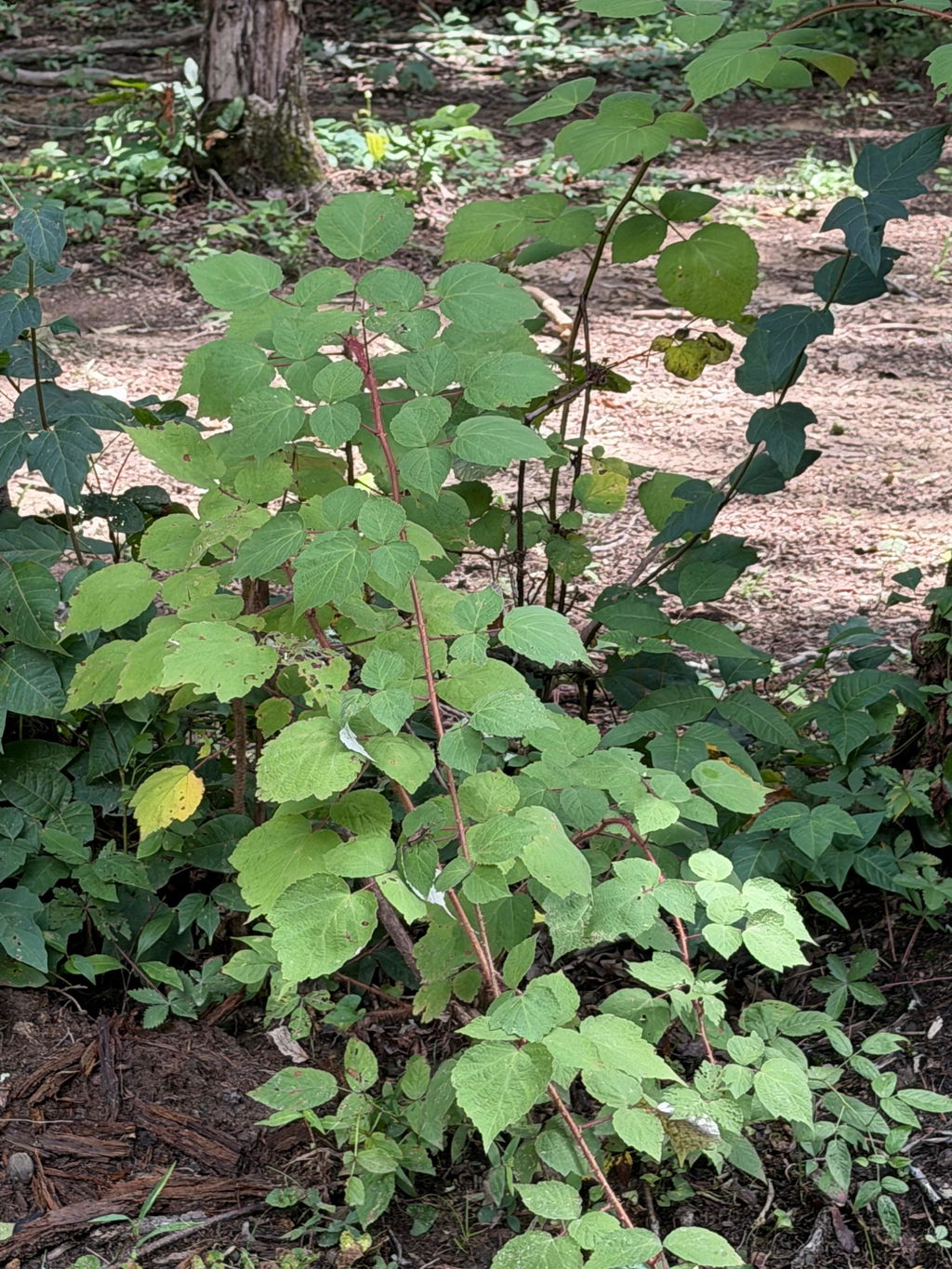
The canes can grow to 6 ft long and will start erect, but then arch toward the ground as they mature. If unmanaged, it will develop large colonies of canes, each covered in compound leaves of either a palmate or pinnate arrangement.

During autumn, the foliage becomes yellow and, once defoliated, the brown to reddish canes are exposed throughout the winter.
Plant Details - Black Raspberry Plants
Family: Rosaceae
Hardiness Zones: 4–8
Light Requirement: Full Sun to Partial Shade
Water Needs: Moderate
Height: 3–6 ft
Spread: 4–8 ft
Growth Rate: Fast
Bloom Time: Late spring to early summer
Flower Color: White
Fruit: Black
Wildlife Value: Fruits are consumed by birds and mammals
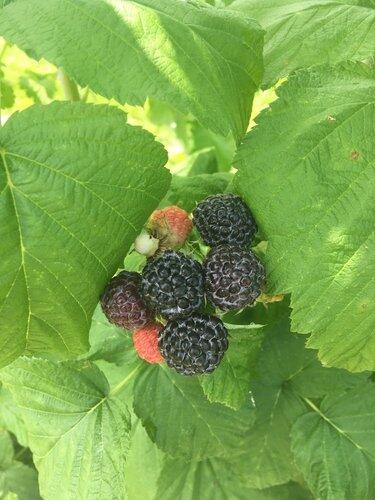
The flower buds of the Black Raspberry are rose-like and emerge in clusters along the canes. Once bloomed, they have 5 narrow petals that are dwarfed by their prominent stamens and pistils. Once pollinated, berries develop first in a purply-pink color and turn black once mature. They attract songbirds, foxes, raccoons, and small mammals to feast on the juicy fruit.
The berries are rich in antioxidants and are known for their sweet and tart flavor. While they make a delicious treat, the canes are armed with prickly spines, so watch out! The leaves and stems are edible, as well, and can be used to make a mildly astringent tea to help with digestive issues, and throat or mouth inflammation.
Landscape Uses and Maintenance - Black Raspberry Plants
It can grow in either full sun or partial shade conditions. While it is a heat-tolerant species, intense summer sun can cause the fruit to not develop properly without enough rain. However, fruit setting is less likely when planted in full shade, so planting in the proper sunlight conditions takes time and consideration.
Black Raspberry prefers well-drained, moist soils with high organic matter content. While it does not have serious pest or disease issues, it can be expected that rabbits and deer will browse the leaves, but it can tolerate some herbivory.
Noteworthy Characteristics of Black Raspberry Plants
Edible fruit and leaves, attractive to wildlife, low maintenance
Plant this edible shrub in your garden or along a woodland transition and enjoy delightful berries year after year. Shop for Black Raspberry Shrubs online at TN Nursery. For 68 years, we have served the landscaping industry and homeowners with specimen plants.

Customer Reviews
The black raspberry plants from TN Nursery are already producing healthy growth. Their quality is evident, and I can see these becoming a staple in my yearly harvest.
I’ve bought from other suppliers, but TN Nursery’s black raspberries are unmatched. These are healthy, well-rooted, and thriving perfectly in my garden.
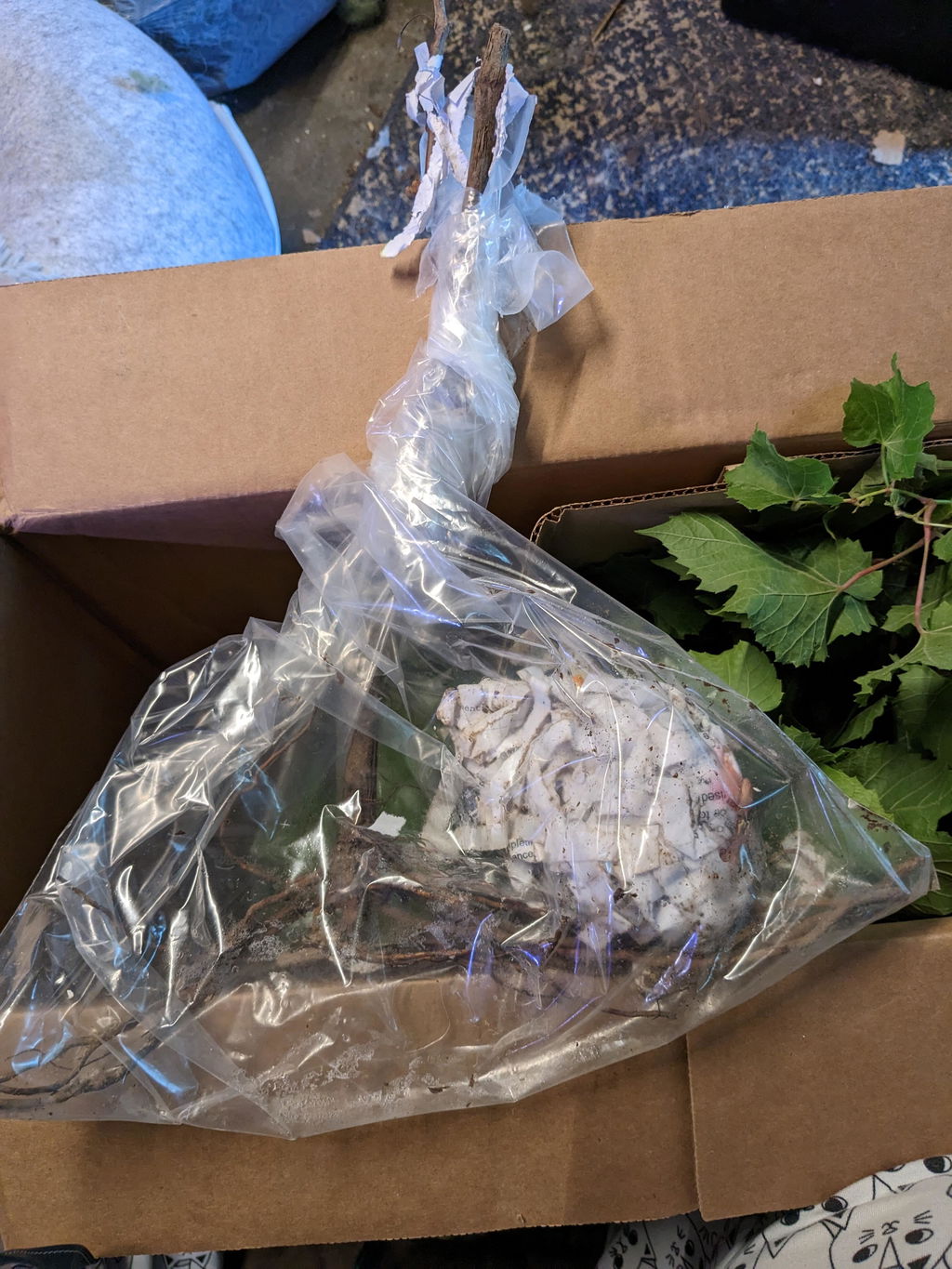
The packaging was impeccable, and the plants looked fresh and lively when they arrived. Within weeks, they established themselves in my yard with no issues at all.
My black raspberry plants from TN Nursery are thriving beyond expectation. They rooted almost immediately and continue to show steady, healthy growth. A gardener’s dream!
I was amazed at how well-prepared the plants were upon arrival. TN Nursery knows how to provide quality stock. My garden is already looking fuller with these strong black raspberry canes.
Are blackberry and black raspberry the same?
No, blackberry and black raspberry are two different fruits. Black raspberries have a hollow center when picked, while blackberries are solid inside. Both are sweet, easy to grow, and perfect for fresh eating or homemade jams.
Why are black raspberries not sold in stores?
Black raspberries are not commonly sold in stores because they’re more delicate and have a shorter shelf life than other berries. Their thin skin and soft texture make them harder to transport without bruising. However, they’re easy to grow at home and reward gardeners with delicious, rich-tasting fruit.
Where do black raspberries grow best?
Black raspberries grow best in sunny locations with well-drained, fertile soil. They thrive in areas with cool summers and good air circulation. With regular pruning and watering, they produce abundant, flavorful berries year after year.
Do black wild raspberries need special care?
No, they’re easy to grow. Just give them sun, well-drained soil, and room to spread. They come back every year with rich, flavorful fruit.
Do black wild raspberries need special soil?
They prefer loose, well-drained soil but adapt to many types. Keeping the ground slightly moist helps produce better fruit.
Exposure
Black Raspberry plants thrive in full sun, requiring at least 6-8 hours of natural sunlight everyday for optimal growth and fruit production. They can tolerate partial shade, but total sun exposure ensures healthier plants and higher yields of flavorful berries.
Height at Maturity
Under 10 Feet
Usage
Berry
Shipped As
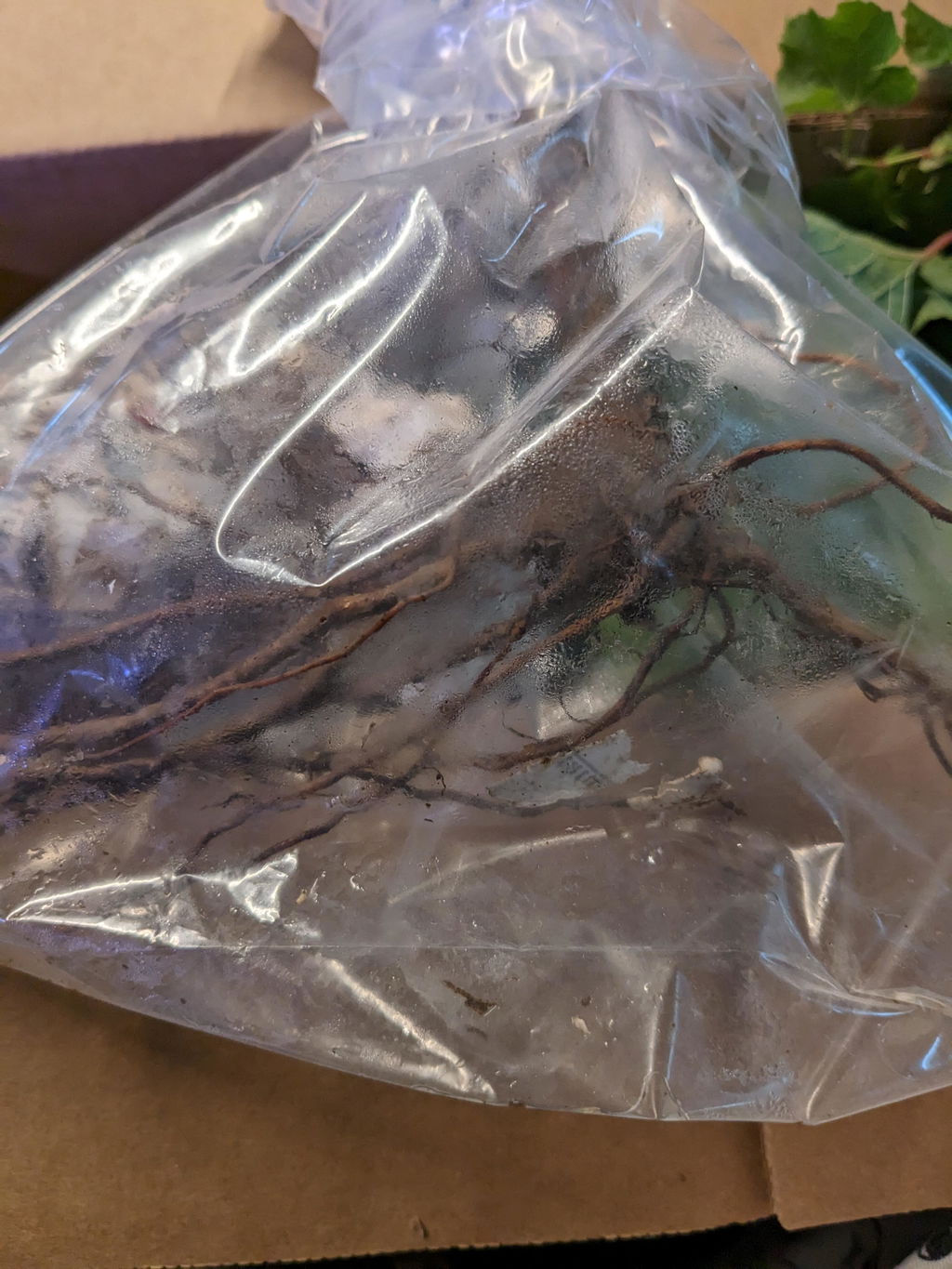
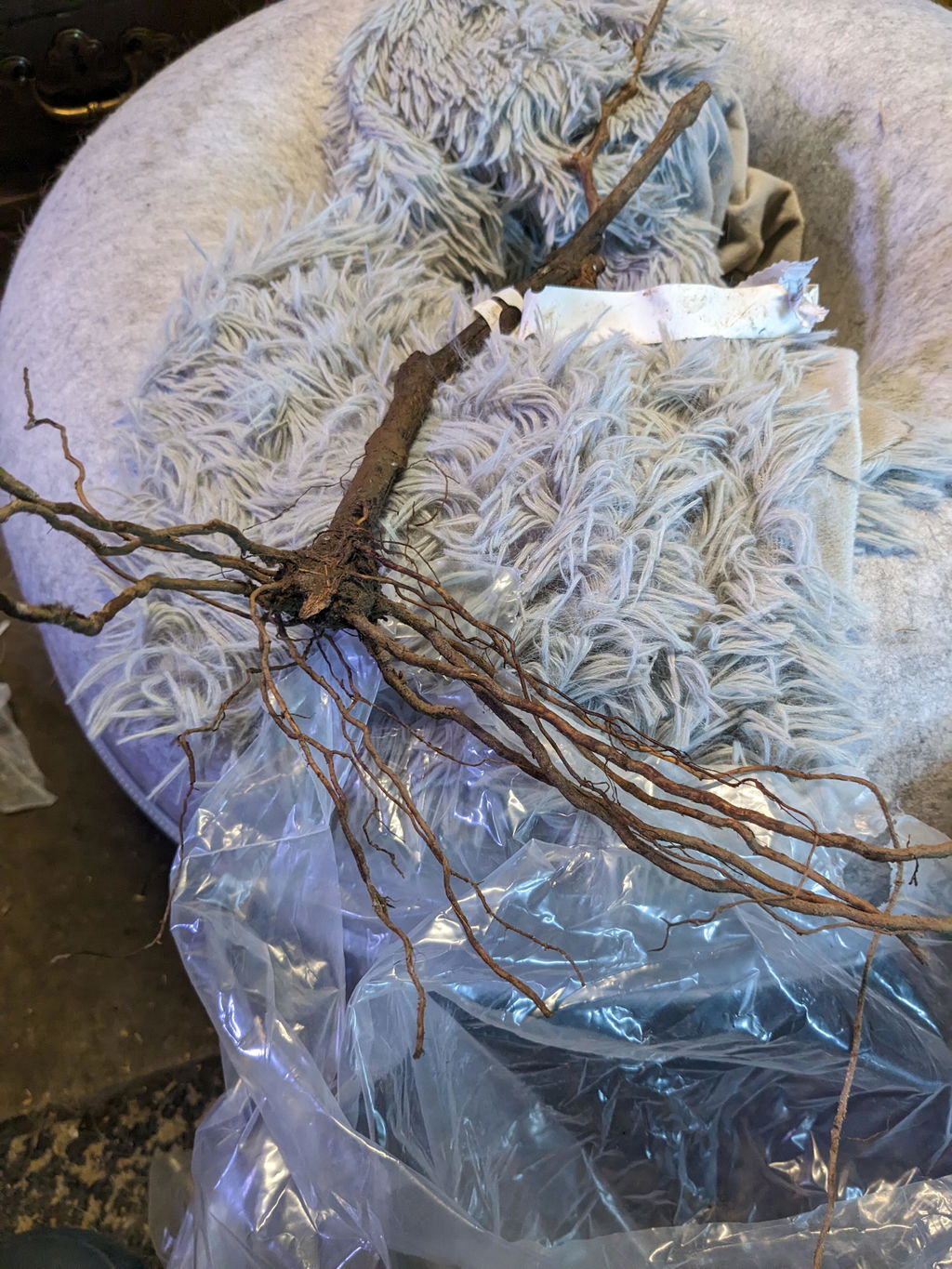
Bare-root
Ships
UPS
Planting Zones
4-9
How To Grow
How to Grow and Care for Fruit Trees and Berry Plants
Fruit trees and berry plants bring beauty, fragrance, and delicious harvests to your garden while supporting pollinators and wildlife. To grow them successfully, choose varieties suited to your USDA zone and plant them in full sun—at least 6–8 hours daily—for the best fruit production. Both fruit trees (like apple, peach, and pear) and berry plants (like blackberry, raspberry, and blueberry) thrive in well-draining, compost-enriched soil.
Plant in early spring or fall, spacing according to the plant’s mature size to ensure proper airflow and sunlight. Water deeply after planting and keep the soil evenly moist during the first growing season. Mulch around the base to conserve moisture, suppress weeds, and regulate temperature, but keep it a few inches away from the trunk or stems.
Prune annually to encourage healthy branching and better yields. Fertilize in early spring with a balanced or fruit-specific blend. With regular care, fruit trees and berry plants reward you with beautiful blooms and sweet, homegrown harvests for years to come.